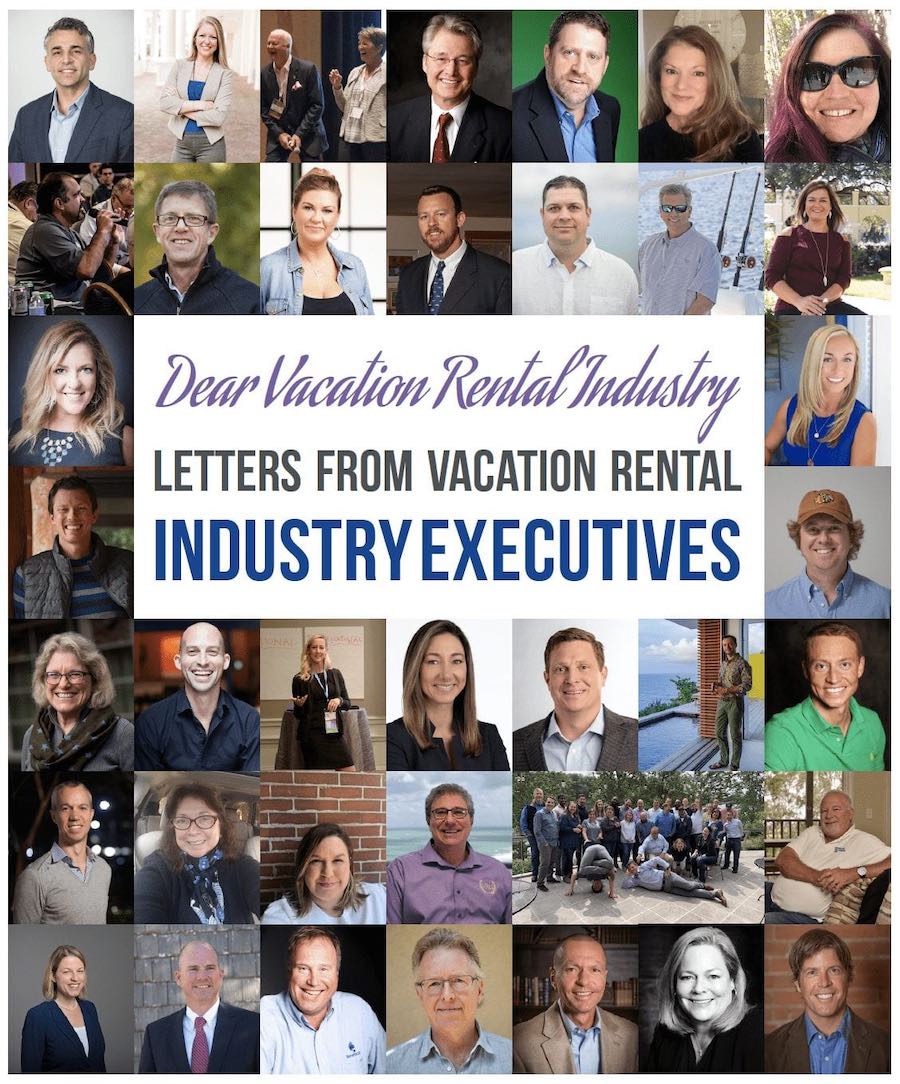
In the vacation rental industry, facing crises is something we do well, from fires and earthquakes to hurricanes and oil spills. However, the seismic nature of this pandemic affected everyone—each business owner, homeowner, supervisor, reservation agent, housekeeper, accountant, customer service agent, marketer, and guest all across the globe. In the latest issue of VRM Intel Magazine, vacation rental industry leaders shared heartfelt letters with their thoughts, predictions, initiatives, appreciation, and words of encouragement. As you read these messages know that—while there is still much uncertainty—thousands of vacation rental companies are determined to make it to the other side of this challenge and be better for it.
[su_row class=””] [su_column size=”1/2″ center=”no” class=””] [/su_column] [su_column size=”1/2″ center=”no” class=””]
We will see not only the other side of this global pause in travel, but also the next levels for the industry and many property managers. We’re seeing clients and partners rethink their businesses and strategically plan for what we’re anticipating as a strong return for the vacation rental industry. Enterprise-level vacation rental companies are poised to emerge and take a leadership role in the future of travel. We’re excited to be a part of this community movement pushing forward and proud of the property managers, vendors, and industry leaders driving the new future of the vacation rental industry.
[/su_column] [/su_row]
[su_row class=””] [su_column size=”1/2″ center=”no” class=””] [/su_column] [su_column size=”1/2″ center=”no” class=””]
You are all the heroes in the shadows of your own cities, whether you know it or not. You are resilient. You are brave. You are passionate. Recent times have stressed our organizations, our teams, our operations and processes, and our sanity beyond a level we ever thought possible. Kudos to you all for hanging in there with your head held high. If you are like me, some days you wake up and wonder how you can keep going. It’s hard— really hard.
What’s your purpose?
I have sometimes struggled to answer this question over the past two months. I felt defeated and broken down. I questioned whether what I was doing to our employees, our business, our owners, and our guests was right and fair. After all, it is difficult to figure out how to make hundreds of people happy with your choices. But, as I communicated with hundreds of families while cancelling their beach vacations, I found the empathy from our guests toward our team and community heartwarming. A wonderful guest of ours wrote, “You all are always spoken of so highly on forums and in reviews. The same types of stories I tell you. I read the same sentiment of how easy transactions and working with you all are, as well as confidence from other renters that you all go out of your way to make sure our stays in your properties are spectacular.”
And it hit me. My purpose is to help alleviate the stress of others and offer them an opportunity to own and/or visit a vacation home where they don’t have to worry about a thing—an escape from their everyday realities. The funny thing about our industry is that no matter how much technology you have, how your operations are run, what type of bed sheets you use, or where your properties are located, the experience boils down to human interaction. Remember that you make your business succeed. You control your destiny and fate. As a united industry, I believe we’ll recover with grace and be able to offer a compassionate experience to our guests and owners alike. Don’t give up—it’s time to get your superhero cape on and fly high!
“People do not decide to become extraordinary. They decide to accomplish extraordinary things.” – Edmund Hillary
[/su_column] [/su_row]
[su_row class=””] [su_column size=”1/2″ center=”no” class=””]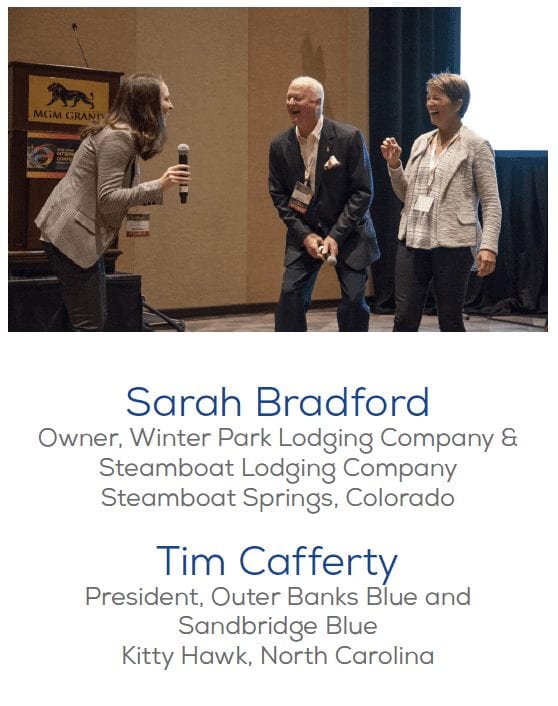 [/su_column] [su_column size=”1/2″ center=”no” class=””]
Tim and I have both been affected by COVID-19, both by having a full house when it all shut down (my companies) and by having 80 percent of our business over the summer months (Tim’s companies). We are focused on the positive, and we believe that professional vacation rental companies will fare best through this by putting forth high-quality cleaning standards, lots of proactive and personal guest and owner communication, and taking care of our staff while watching our budgets like a hawk.
We have continued to record and release Sarah and T Podcast episodes, and that has filled us with much-needed energy. Check out our episode on every idea we could think of to weather this storm.
We also recently interviewed Matt Landau and Sharon Keefe, covering the “underdog narrative” and creative ideas to connect with your guests and owners, as well as a good one with VRHP Advisory Board member Michelle Williams about specifics on altering our cleaning practices.
We both believe the drive-to markets are the ones to target right now and that vacation rentals will recover faster than hotels because they offer more privacy. Keyless locks are more important than ever, and so is your return guest pool who already trust you.
Keep fighting the good fight, try to stay calm, and remember Faye Wattleton’s words: “The only safe ship in a storm is leadership.”
[/su_column] [/su_row]
[su_row class=””] [su_column size=”1/2″ center=”no” class=””]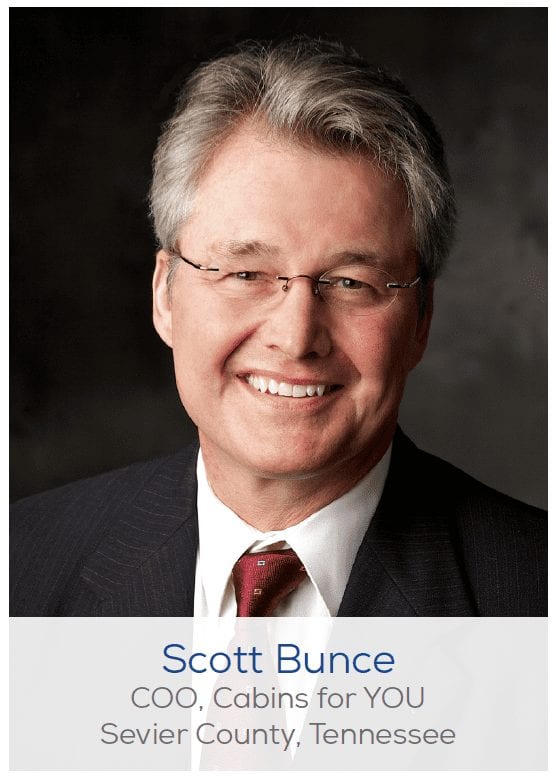 [/su_column] [su_column size=”1/2″ center=”no” class=””]
Times have been tough for everyone; we’ve had to make quick adjustments, learning to be nimble, keeping a close eye on how things are changing, and finding ways to reinvent messages and images that no longer work in the current climate.
With increased bookings, a pivot to new marketing strategies, and a focus on safe vacation practices in our “new normal,” we are finally seeing the light at the end of the tunnel. We can see that everything will be okay—though a bit different than before—and we remain positive looking ahead to the rest of 2020 for Cabins for YOU and in the vacation industry!
[/su_column] [/su_row]
[su_row class=””] [su_column size=”1/2″ center=”no” class=””] [/su_column] [su_column size=”1/2″ center=”no” class=””]
This unpredictable and unprecedented COVID-19 pandemic has impacted us all in various ways, some more personal than others. There is sadly no shortage of stories about businesses that have been impacted, jobs that have been lost, and loved ones that have lost their lives and experienced serious health issues.
But as is often the case, particularly trying times tend to bring out the best in us. It has been refreshing and heartwarming to see the vacation rental community of property managers, vendors, and thought leaders come together to encourage and enlighten one another as we seek to navigate these challenging times.
I’m encouraged to see indications that we may be through the worst of it and am optimistic that the vacation rental industry will come back stronger than ever. If my conversations with friends and family are representative of how the majority of people feel right now, they can’t wait to get out of their own houses and get away for a week with loved ones to somewhere else they feel safe (a vacation rental, not a hotel). When that time comes, I know you will be there to provide a clean, safe, welcoming place for people to make new and lasting memories!
Together we will weather this storm and come back stronger.
[/su_column] [/su_row]
[su_row class=””] [su_column size=”1/2″ center=”no” class=””]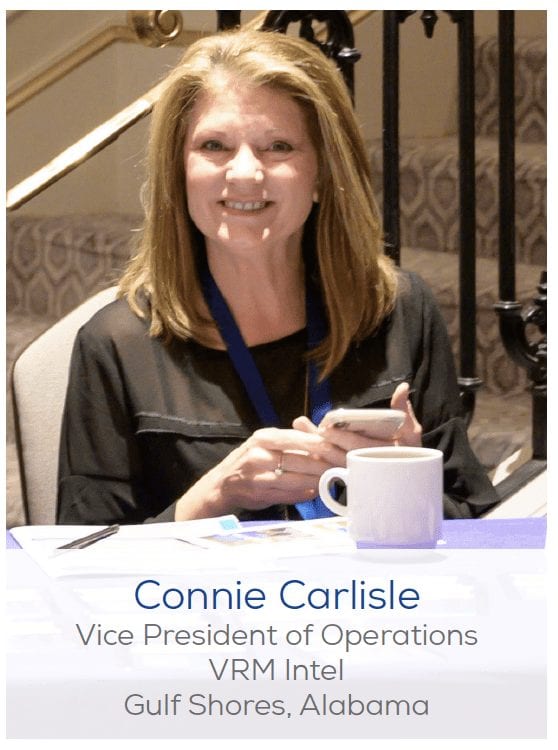 [/su_column] [su_column size=”1/2″ center=”no” class=””]
“How do I love thee? Let me count the ways.”
There’s something so special and indescribable about what we do! This industry not only has helped put the bread on my family’s table for over 30 years but also has been my life blood. For years when my children were little, and we would be in the car stuck in the never-ending summer beach traffic in Gulf Shores, they would whine, “Why is it taking so long?!” I would smile and say, “Mommy did this! I helped invite all of these people here.”
And I was so proud. I was proud because I knew that in a lot of those cars were people who had never before seen our beautiful beaches. Some of them would be seeing a beach for the very first time. Many had waited and saved for months— if not years—to get here. I knew that over the next few days, those families would spend time together creating memories that would last a lifetime.
I worked for one of the best property management companies there ever was, and after they sold, I helped build a new company where I met some of the finest homeowners on the planet. And the day I finally purchased my very own vacation rental condo, I felt like I’d come full circle in this industry.
Then I started working for VRM Intel, and I’m prouder than ever because I now get to work with colleagues, property managers, vendors, and homeowners across the globe. I no longer feel like it’s a circle—it’s an infinity sign. These past few months have been tough, but we—all of us—are tougher, and we will go on. And on. And on—to infinity and beyond!
[/su_column] [/su_row]
[su_row class=””] [su_column size=”1/2″ center=”no” class=””] [/su_column] [su_column size=”1/2″ center=”no” class=””]
I have never been more grateful and honored to be working in the professionally managed #vacationrental industry. I am proud to see how PMs are managing the effects of this crisis, including unprecedented cancellations, with such grace and integrity.
In word and deed, you are carefully balancing both guest and economic considerations with humanity and clarity.
This crisis is clearly separating the truly professional PMs from everyone else.
[/su_column] [/su_row]
[su_row class=””] [su_column size=”1/2″ center=”no” class=””]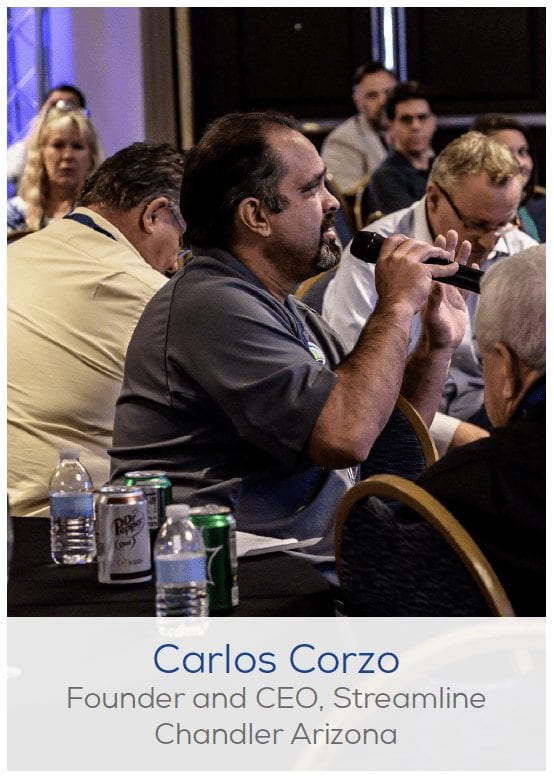 [/su_column] [su_column size=”1/2″ center=”no” class=””]
These are tough times for all of us. No one has been immune to the impact of this pandemic, including Streamline. We have to stick together and stay positive. Let’s be strong for those who are counting on us for reassurance.
In Park City, our property management company has taken a unique approach. Along with you, we are seeing firsthand the impact of the situation, and as a result, we are trying to become more proactive and efficient.
This is a great time to assess and improve the entire life cycle of your guest. Refine your internal communication to better assist maintenance, housekeeping, and your entire team. Review all your critical documents and do the little things you were not able to accomplish before. Most important, stay connected with previous guests. This is a great time to showcase your best units to past guests because people have the time to daydream. Get them to your website, and they will have more time to engage with your portfolio.
I miss you all!
[/su_column] [/su_row]
[su_row class=””] [su_column size=”1/2″ center=”no” class=””] [/su_column] [su_column size=”1/2″ center=”no” class=””]
It’s been a rough few weeks, and it’s probably been a bit lonely (unless you’ve been endlessly meeting on Zoom like many of us have!).
This is an important time to realize that you’re not alone, and there are many great ideas out there about how we can get back on our feet as the economy moves toward a restart. Take advantage of the fact that you are in an industry that is generally okay with sharing ideas. Share your ideas and solutions, and you will get ten more back in return. See how others are overcoming their challenges and make that part of your recovery strategy.
My second piece of advice is to take this unique moment in time to shore up a piece of your business that has always been lacking. Invest some of this time in yourself, your systems, your owners, your staff, and your guests. There has never been a better time to become better at some part of what you do. In that way, you will come out of this crisis stronger than before.
I cannot promise you that the next two years will be easy, but I can assure you that if you are willing to put in the effort, you’ve got this!
[/su_column] [/su_row]
[su_row class=””] [su_column size=”1/2″ center=”no” class=””] [/su_column] [su_column size=”1/2″ center=”no” class=””]
We will bounce back bigger and stronger together!
Australia has a population of 25.5 million, of which 40 percent live in Sydney or Melbourne and 49 percent live in the 16 other major cities, so, contrary to popular belief, Australia is predominantly an urban population. Because of this, the government has managed to quickly restrict the spread of COVID-19. At the time of writing, the confirmed cases (6,738) and recorded deaths (90) can be considered a positive outcome in the larger scheme of the world pandemic (even though no one wants to see any deaths).
Why have the numbers stayed low? Australia has the advantage of being able to seal itself off from the rest of the world on top of locking down each state to prevent new sources of the virus entering from overseas. The Australian government acted quickly and, like other countries, introduced many restrictions.
The restriction that has most affected our industry is that it is now illegal for anyone to stay in short-term rental accommodation or even their own second home except under specific circumstances. It was made clear that no one should stay anywhere other than their own permanent home, and individuals (and businesses) could be fined or even imprisoned if they break these rules. There are some exemptions, which include frontline workers, caregivers, or those staying in STRs for education purposes.
Travel and tourism is one of Australia’s biggest industries, contributing over $50 billion per year. COVID-19 has had a serious impact, and I had to make some major decisions very quickly. We have had to close our offices, but I want to keep my staff employed. I need to manage my owner and guest expectations, and I need to work on strategies for bouncing back.
The Australian government introduced a JobKeeper allowance, which has allowed me to keep 22 staff employed and working from home. This obviously has its challenges, but I am blessed to have such a great team who have responded admirably. The biggest challenge we all have is that we don’t know exactly when these restrictions will be lifted and when the demand will return, or even what shape this demand will take. Therefore, my focus has been on what happens next.
While the reality should not be dressed up, it has been important for me to remind my team and owners that there is a light at the end of the COVID tunnel, and a large proportion of my day is spent working on the future. Some of the questions I have asked myself are: How will this change our industry? What can we do better than we did before? What can we do to improve our guest experience? What other revenue streams can I introduce? Our industry is unique and strong and a wonderful space to work in, and, as global travel restrictions and social distancing measures are eased, demand to travel and holiday again (especially within one’s own country) will return just as quickly as the virus hit our shores. Let’s work collectively on the future and bounce back bigger and stronger together!
[/su_column] [/su_row]
[su_row class=””] [su_column size=”1/2″ center=”no” class=””] [/su_column] [su_column size=”1/2″ center=”no” class=””]
While vacation rentals have existed since the mid-1600s, a focus on safety is still very new. Many of us, including myself, started out managing vacation rentals because of the unique opportunity to set our own hours, develop our own business, and be around the joy of people vacationing. Of course, the lure of the money that comes with it is very nice too! Unfortunately, many of us skipped the boring or hard parts of the business in the race to get our first rentals advertised and rented. One of those hard parts (certainly not boring) is safety. As a result of skipping safety, I got caught up in an accident that resulted in a life-long injury to one of my renters in 2013. That accident changed my destiny forever. I now share what I have learned and continue to learn with all of you so you don’t have to go through the challenge of attending to an injured guest, or worse, a death in one of your rentals. Safety is the one thing you can absolutely control in your rentals because accidents are 100 percent preventable. In the Safety and Certifications Programs Division at Breezeway, we’ve developed checklists that are unique to short-term rentals that help ensure managers have the resources they need to make their rentals safe. I am proud to be a part of a team that now certifies vacation managers as Short-Term Rental Safety Inspectors or STRSIs. You can begin a greater focus on safety now by accepting that smoke detectors are the most important item in your rentals. With that initial focus, you’ll be on the path to operating a more successful rental agency.
[/su_column] [/su_row]
[su_row class=””] [su_column size=”1/2″ center=”no” class=””] [/su_column] [su_column size=”1/2″ center=”no” class=””]
We’ve been using a lot of our time on the phone with guests. We’ve found that they very much want to travel and are appreciative of our calls, heck we are now on first-name basis with almost all of them after talking to them so much. They are upset when we tell them they can’t come, but they understand, especially after we tell them we want them here just as much as they want to be here. However, (at the time of writing this) the government will not allow us to accept them into our community as our guests. We’ve found that they will keep rescheduling and are looking forward to coming as soon as they can.
We have used this opportunity to collect a lot of positive reviews (in the queue at Google) from them, even though not all of them have actually had their stay just yet. The people we speak with are patient, kind, and fun . . . in most cases. So, consider this a time to grab some positive reviews, then blow them away with a little gift upon their arrival at the property. This will help turn them into guests with your company for a long time. Keep your head up, become a stronger company, and show how we have learned to be professionals in our industry!
[/su_column] [/su_row]
[su_row class=””] [su_column size=”1/2″ center=”no” class=””]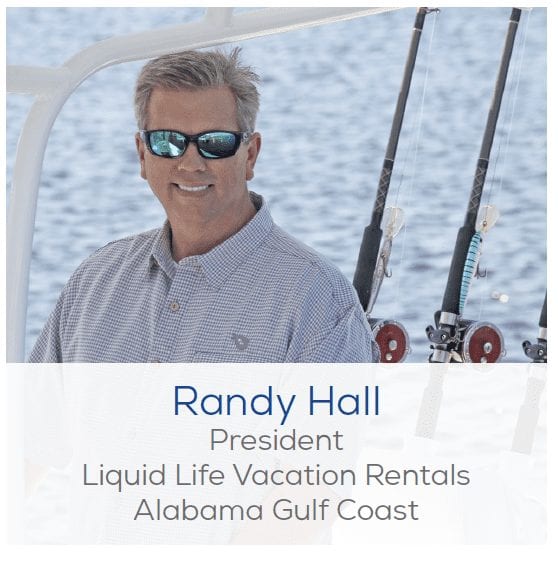 [/su_column] [su_column size=”1/2″ center=”no” class=””]
People are the true essentials in our awesome industry! As early messages about closing down were coming through and taking hold worldwide, it was quality people on the ground who were absorbing new information, changing plans hourly, and adapting to the unthinkable. It was a team of essential people setting aside the shock and adjusting to a new normal. No website flying in “internet outer-space” was coming to the rescue. No fancy idea, underwritten with private equity money, would save the day. Nope! Digital “ones” and “zeros” flying through the internet are only valuable in a supporting role. The true stars are teams of people.
In the future, the essentials in our industry will continue to be the local people who open doors, clean floors, wash towels, make beds, answer phone calls, and welcome guests. They can never be replaced.
[/su_column] [/su_row]
[su_row class=””] [su_column size=”1/2″ center=”no” class=””]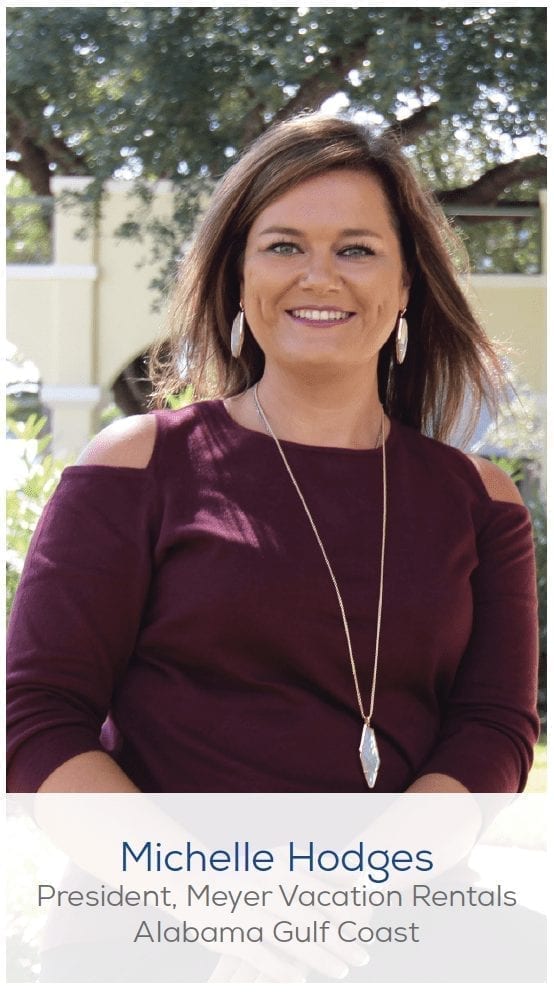 [/su_column] [su_column size=”1/2″ center=”no” class=””]
It seems like a decade ago, but it was just in 2019 when I sat down to consider a three-year Vivid Vision plan for Meyer Vacation Rentals. I wrote out plans for what 2021 would look like, and this plan has served as a road map for our team in goal- and metric-setting. Although I know we can never anticipate the unexpected, I certainly didn’t expect a massive, worldwide pandemic impacting our business. But as I reflect back on the very first page of our Vivid Vision, there is one thing that is still relevant and unchanging: our culture.
Just as adults sometimes reflect on the impact of childhood on our personalities and character traits as we age, I believe that the foundation of an organization breathes life into the culture, mission, and the core values that an organization will develop. As an organization, we were raised to envision the magnificent future that we could achieve as a team, working together and in unison to share the dream of real estate ownership on our stretch of the Gulf Coast. In 1967, our founders could have been plenty successful trying their hand at nearly anything other than a startup real estate company in a little-known and underdeveloped area, but taking the easy route wasn’t the point. We were birthed to feed a dream—a vision—of what an old fishing village could become, which started a ripple effect that continues today. We were born to create, to innovate, and to be the pacesetter. The dream was never a one-person job; it always has required a team of dedicated and diverse individuals who wanted to be a part of something larger than themselves, to be a part of a ripple effect that they could carry forward and extend beyond themselves. Indeed, we were made for this.
We love successful years that we can end in celebration of record growth, but, more often than not, we have seen those years come after the hard work required to survive an unexpected loss, struggle, or unforeseen challenge.
Wherever you are, whatever your impact, remember where you come from and what you are made of. Together, we will all see this through and be a stronger industry on the other side. Stay strong, my friends!
[/su_column] [/su_row]
[su_row class=””] [su_column size=”1/2″ center=”no” class=””]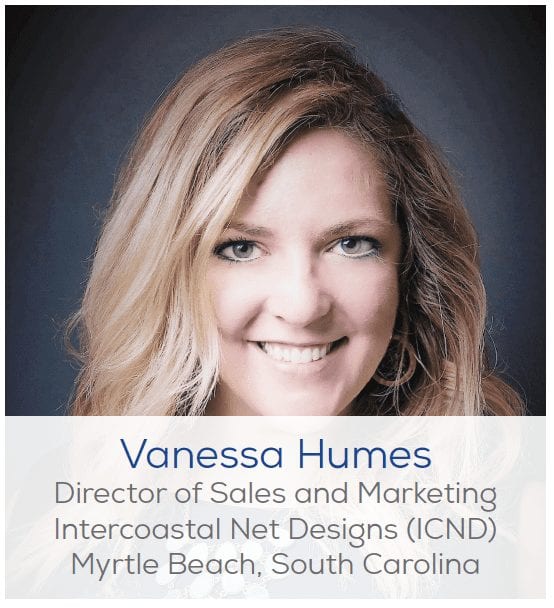 [/su_column] [su_column size=”1/2″ center=”no” class=””]
The past few months have been unprecedented, to say the least. What have we learned? We are indeed stronger together as an industry. ICND is known for offering the best websites and marketing for direct booking strategies, but when the traffic came to a halt, we knew we needed to shift our focus from direct bookings to collaboration with VRMs.
ICND has put together a webinar series not to share promotions for ICND’s services, but to give the stage to VRMs to share what they are doing to get through these tough times. VRMs share homes, hospitality, and memories with their guests. They share revenue, property care, and ideas with their owners. Today, it is more important than ever to share with your colleagues. Share experiences, thoughts, inspiration with each other. And, when the traffic and demand come back, we’ll continue to offer insights on how to recharge your marketing efforts and come back stronger than ever, together.
[/su_column] [/su_row]
[su_row class=””] [su_column size=”1/2″ center=”no” class=””]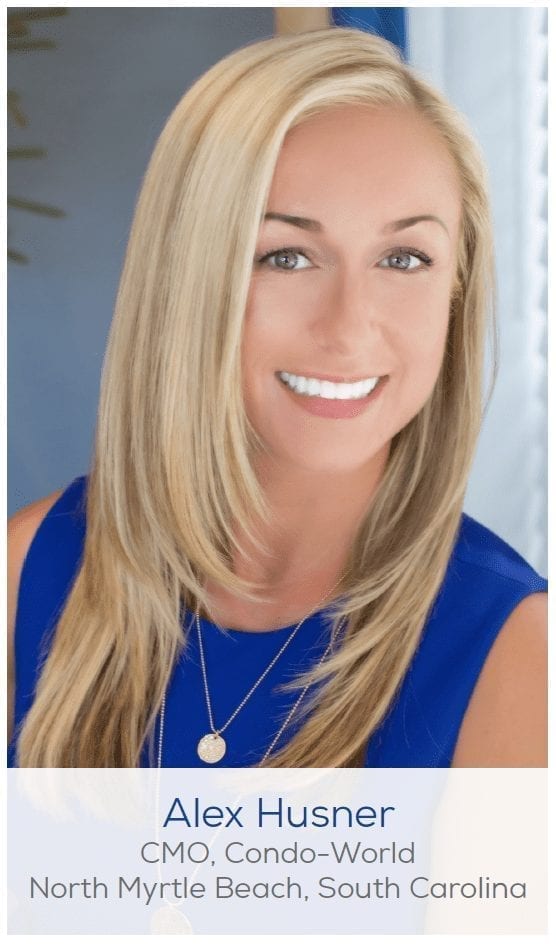 [/su_column] [su_column size=”1/2″ center=”no” class=””]
While none of us ever expected an event of this magnitude would become the common denominator across our world and businesses, there are always silver linings in times of crisis. If there was ever a time for our industry to prevail, it is now, as long as the appropriate actions are taken. Many of the investment-funded companies that have dominated headlines and conference stages for the past few years will not survive this. The rubber has met the road for some of these companies, and we are reminded that profitability and solvency have always been the necessary elements to keep doors open in good and bad times.
So where does this leave the traditional vacation rental companies, from boutique to enterprise, that have been the backbone of our industry for decades? History has proven that economic downturns provide an opportunity to gain market share, so adopting an action-focused, resilient mindset is imperative right now. There are large growth opportunities waiting for us on the other side of the pandemic. Get your head around the idea that any action is better than none and that the more actions you take, the more solvent your economy will become.
Now is the time to tackle projects that have been on the backburner, refine better processes, and trim the fat from your organization; this will set you up to thrive in all areas of your business: marketing, operations, homeowner acquisition and retention, and customer service. Use this time to seek out strategic relationships with other companies within the industry. Get creative with your offerings and find new streams of revenue. There has never been a better time to hit the reset button.
In January, I attended a conference that featured world-renowned speaker and business leader Les Brown. He told us, “Your life in 2020, 2021, and 2022 will be different, better, and more magical.” He was right: 2020 has been very different. But the future is bright for all of us in the years to come. In times of gloom and doom, it’s time to boom. Best wishes to everyone!
[/su_column] [/su_row]
[su_row class=””] [su_column size=”1/2″ center=”no” class=””]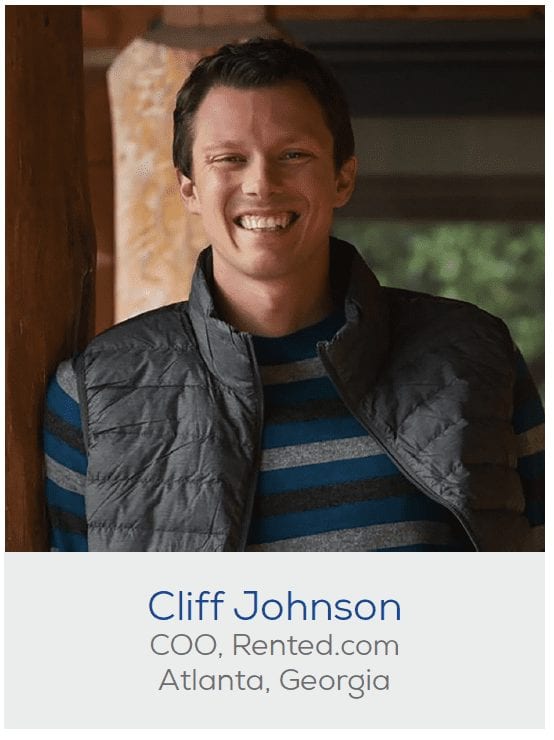 [/su_column] [su_column size=”1/2″ center=”no” class=””]
I’ve now been part of this amazing community for over a decade, and I was in a reflective mood even prior to COVID as a result. The challenges ahead of us have constantly reminded me of how resilient people in this community are. I use the word “community” intentionally because no matter how big or small your company is, all of us bring tourists to communities around the world to help them experience a connection they rarely do elsewhere. Those connections and lifelong memories happen with the family and friends that join them for their travels, but also with the local people they meet, and the experiences they have while they stay in vacation rentals.
I have a four-year-old girl and a two-year-old boy who dominate my thoughts and act as my primary motivators to be a better person every day. I also have some of my best memories of their young lives watching them experiencing new things for the first time in vacation rentals around the world. We are fortunate to have the opportunity to travel, and it is one that I didn’t often have growing up. Hopefully we can all pull together and continue to give people those wonderful memories when they need them the most.
Many people have experienced unthinkable tragedies due to this pandemic, including the loss of loved ones far too soon or caring for and losing patients at an inconceivable rate. They’re going to need places to heal, and I’m certain that our community will be there to help them, as I’ve already seen many of you step up now as you always have in the past. We all need to pick each other up throughout this time, and I’ll certainly do what I can on my end to help!
[/su_column] [/su_row]
[su_row class=””] [su_column size=”1/2″ center=”no” class=””]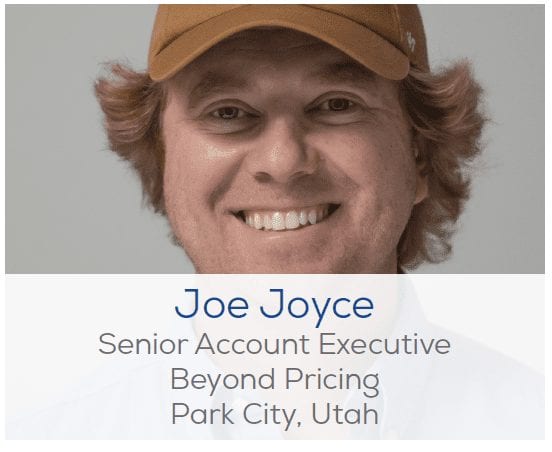 [/su_column] [su_column size=”1/2″ center=”no” class=””]
While we have lost face-to-face connections, this new normal has brought out the absolute best in the Beyond Pricing team. We’ve discovered secret talents: Carrie the landscape painter, Sammy the cellist, and Mila the poker queen. Most important, we now regularly celebrate our much-better-halves—the doctors and nurses on the frontlines. Our fellow vendors are also sharing their creativity: from Streamline’s dance-a-thons to Bluetent’s team scavenger hunts and Direct’s hackathons. Our property manager partners are taking this creativity to another level per usual. A couple of favorites include Taylor-Made’s Jodi and Chad’s sibling-rivalry cookoff (sorry Jodi, but Chad wins in my opinion) and Natural Retreats’ Sarah Franzen’s insanely cool acapella sessions on Facebook.
As we all know, PMs are the heart of our vacation rental industry. We would be lost without these local experts who enthusiastically serve as our travel guides, trust accountants, travel insurance agents, and even grocery specialists, amongst many other critical functions. Simply put, they are the best asset managers in the world.
The best part of my job over the past decade has been seeing firsthand the immense impact that property managers have on our local economies. When our economy comes roaring back, it will once again be due to these hard-working, innovative family-run businesses that serve as the boots on the ground that spearhead our recovery every single time. Here at Beyond Pricing, we’ve always been humbled by the generosity exhibited by property managers in giving people exceptional experiences and vacations. In that spirit, we thought it was our time to lend a helping hand, which is why we’ve decided to give our data away for free. You may be feeling like you’re flying blind in this new normal and that the future is uncertain, so let us help give you a bit more footing on the path to recovery. Simply put, we’re here for you.
We can’t wait to see everyone on their home turf at the next St. Paddy’s Day parade in Savannah, the next Ironman in Big Island, or the next Destin Seafood Festival (which is still one of my personal favorites). Come to think of it, I think the whole Beyond Pricing team is most excited to see Luxury Gulf ’s Chuck Steeg get back to his day job of preaching to his Sunday “congregation” at the Florabama. Stay safe, stay healthy, and let us know what we can do to help.
[/su_column] [/su_row]
[su_row class=””] [su_column size=”1/2″ center=”no” class=””]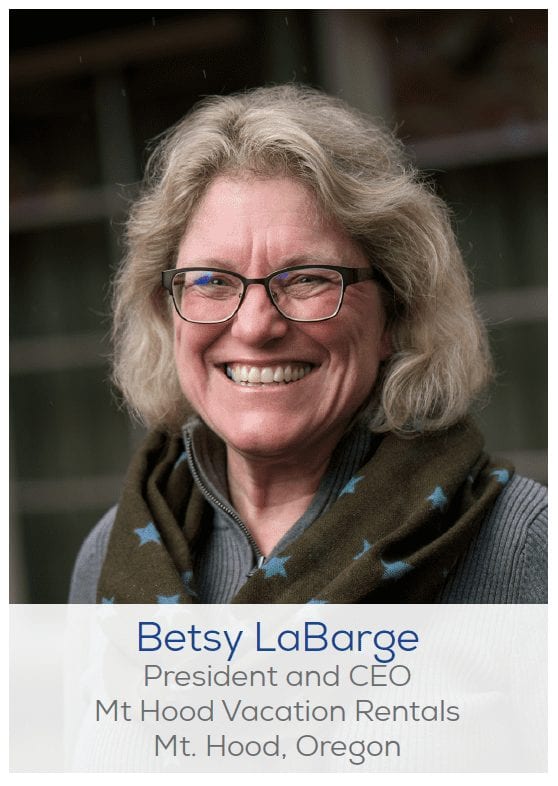 [/su_column] [su_column size=”1/2″ center=”no” class=””]
Work–life balance: we hear this term frequently, especially from our millennial employees. But what does it really mean on an individual level? During the past several weeks and now months, I’ve pondered my personal work–life balance. Over the past few years, I’ve clearly leaned too far into the work side of an unbalanced lifestyle. With my vacation rentals being closed for several weeks, and with only one employee and a lot less work to do, I’ve been able to bring a bit more life balance into the picture.
However, almost everything I like to do on the life side of this balancing act is temporarily unavailable, with restaurants and activities closed, all national forest recreation sites near my home closed down, and stay-at-home mandates directed from our governor. However, I’m finding new ways to enjoy my life, including cooking at home a lot more (and trying new recipes), picking up books that are sitting on the end table waiting to be read, and walking around my neighborhood discovering little things I had never noticed before and talking with neighbors I had not taken the time to get to know.
I’m uncertain how my work–life balance is going to shape up in the months and years to come; however, I’ve made a commitment to put much more effort into the life side of the equation.
[/su_column] [/su_row]
[su_row class=””] [su_column size=”1/2″ center=”no” class=””]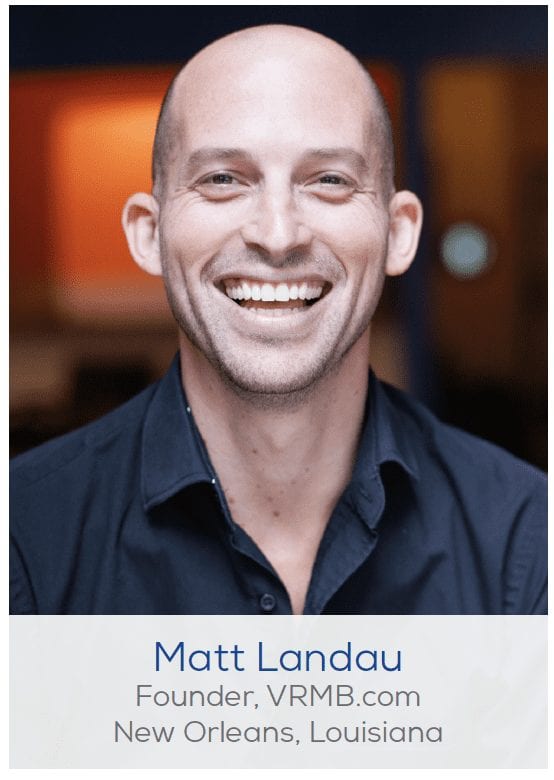 [/su_column] [su_column size=”1/2″ center=”no” class=””]
A hard reset.
You’re probably familiar with the scene: your computer or television or internet router doesn’t work, so you hop on the phone with tech support and follow the instructions for a hard reset. A hard reset isn’t merely powering off the device and then restarting it. The hard reset means turning off the device, holding down some combination of buttons for some period of time, erasing all the information you have put in it and returning it (hopefully) to the state it was when new. If the hard reset works, your device is ready to go.
While certainly not invited, the COVID-19 pandemic has forced every vacation rental manager to pull the plug on their operations, step back from the day-to-day, and reflect on what they want from their business moving forward. What was working and what wasn’t? What fun stuff should we do more of? What annoying aspects can we cut out for good? This process is especially powerful in our niche because so many pros got started accidentally without any specific plan or map. This is a healthy recalibration.
The pandemic has done to your business what the malware, glitch, or accident did to your device. Use the mindset of a hard reset to marry the best of what you had in the past with the future you envision.
We are standing at the gateway of a new vacation rental future. Everyone is at the starting line, which means that, if your hard reset works, you’ll be ready to roll.
[/su_column] [/su_row]
[su_row class=””] [su_column size=”1/2″ center=”no” class=””]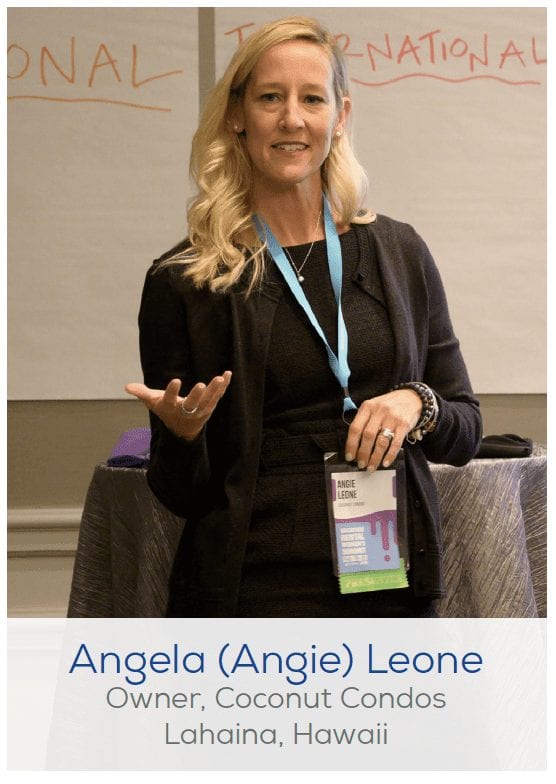 [/su_column] [su_column size=”1/2″ center=”no” class=””]
As small-business owners and leaders in your community, you are the backbone of this great country, and your grit and determination through this pandemic have helped keep me going. Seeing and hearing your examples of perseverance have made this difficult journey feel more surmountable.
As the great Admiral James Stockdale stated, “You must never confuse faith that you will prevail in the end—which you can never afford to lose—with the discipline to confront the most brutal facts of your current reality, whatever that might be.”
These may be unprecedented, challenging times, but we will never give up, and we will rise even stronger!
A hui hou, and may God bless each and every one of you and your businesses.
[/su_column] [/su_row]
[su_row class=””] [su_column size=”1/2″ center=”no” class=””]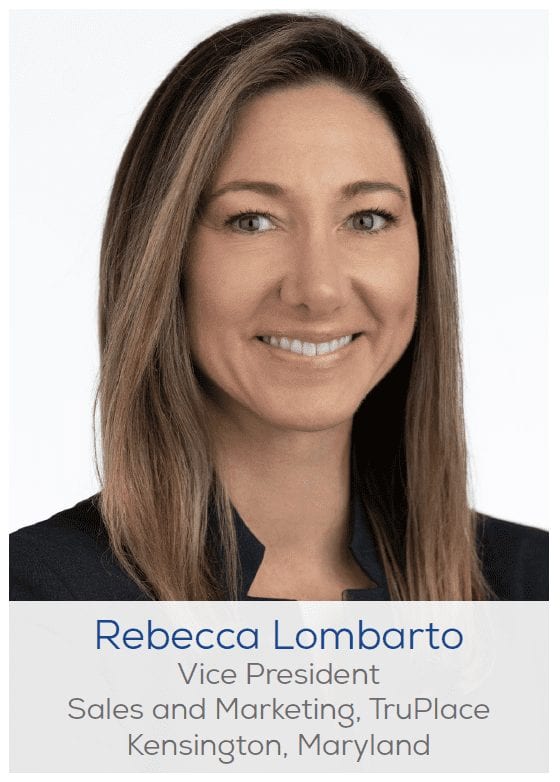 [/su_column] [su_column size=”1/2″ center=”no” class=””]
We miss you. That’s the universal sentiment throughout the industry at this time. It’s not that we don’t want to be together right now, enjoying sweeping views of the horizon and transfixing our gaze on tranquil waters. We do. But “the powers that be” have insisted that being apart right now is for our own safety. That doesn’t make it any easier. Just remember that families all over the United States are not longing for an impersonal and endless hotel hallway right now. Moms, dads, kids, grandparents— they’re all counting down the days until they can run up the steps of your property, kick off their shoes in the foyer and jump into the backyard pool, or cozy up on a big couch in front of a fireplace. So, the minute those restrictions are lifted, you better be ready for one big warm embrace. Hang in there, VR.
Stronger together.
[/su_column] [/su_row]
[su_row class=””] [su_column size=”1/2″ center=”no” class=””]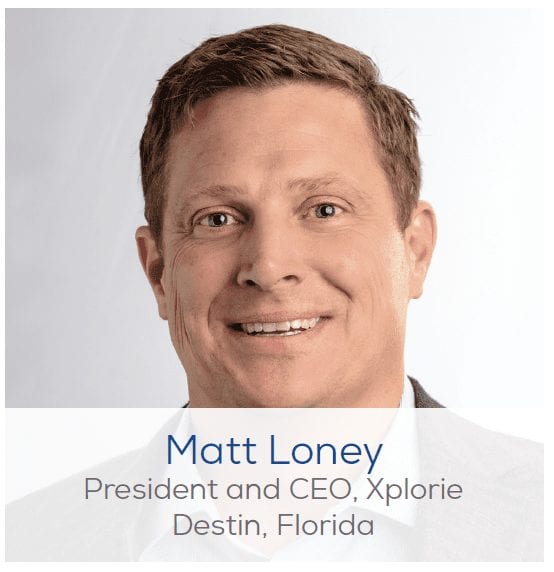 [/su_column] [su_column size=”1/2″ center=”no” class=””]
Your resilience, a trait forged by building an industry where none previously existed, never ceases to impress. I have learned over the past month to take solace in the counsel of many who have been instrumental in establishing the very framework upon which our industry now operates. There is a calm that can be found in the eyes of those who have faced the many trials of our industry, whether it is a hurricane, fire, or even a pandemic. As I was assured during one such conversation, “This will not define us—we will persevere.”
Thank you for the lessons that you have taught me both personally and professionally. I am forever grateful.
[/su_column] [/su_row]
[su_row class=””] [su_column size=”1/2″ center=”no” class=””]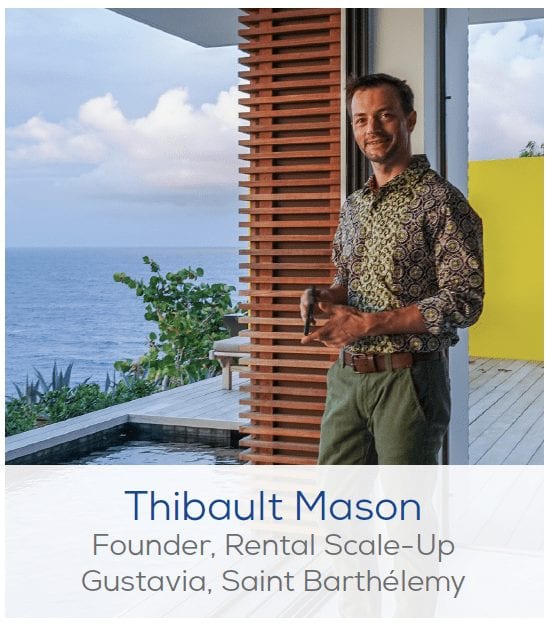 [/su_column] [su_column size=”1/2″ center=”no” class=””]
Diversity in professional backgrounds has always been high in our industry. This is what makes it so interesting and so much fun to hang out with fellow industry members late at night at various conferences. I know a property manager who used to be a female world cup paragliding champion (Adel H.), another who was a flight attendant (Antonio B.), another who was an IBM consultant (Andrew M.), and yet another who is a microbiology expert (Richard V.).
While offline conferences have temporarily closed their doors, I’ve had the chance to talk on Zoom with dozens of vacation rental managers from all over the world in the past weeks, from Bali to Puerto Rico and from New Zealand to Barcelona. These property managers are facing contrasting, uncertain, and shifting situations:
• Bans on vacation and short-term rentals apply differently across world regions (e.g., bans throughout Spain, but none in next door Portugal).
• Demand has disappeared in some places (e.g., northern Italy) while other areas are currently hosting guests (e.g., frontline workers in Missouri, stranded Russian travelers in Bali, digital nomads in Budapest).
• Urban rental empires built by Airbnb hosts are crumbling in some US cities, while others have quickly switched to offering longer stays and have been able to get occupancy back up (at low ADR).
Beyond these contrasts, I have witnessed again what makes property managers such great individuals to rub shoulders with:
• Proven resilience: Many came to this industry as a way to reinvent themselves. Now they may have to do it again, but they already have proven that they could do it once, so I know they can do it again.
• Proven adaptability: I’ve listened to great stories about property managers adapting to longer stays by changing their model (e.g., length-of-stay discounts), rebalancing their urban property portfolio by reaching out to seaside and countryside property owners, and adding new revenue streams by acting as consultants for large resorts that are not as savvy on Booking or Airbnb.
• Proven interpersonal skills: Some property managers have needed to negotiate temporary flexible policies with homeowners, convince guests to reschedule their trips instead of opting for a refund, or explain to staff what the current situation is. Some have had to do all of the above.
Once again, I’ve been impressed by property managers. This is a difficult time, and, for some, this is about either surviving the crisis or escaping altogether from the industry. Yet, whatever path each of us will be taking, I look forward to hearing about your unique stories. At a bar after a conference. On Zoom. At one of your properties. We will meet again.
[/su_column] [/su_row]
[su_row class=””] [su_column size=”1/2″ center=”no” class=””]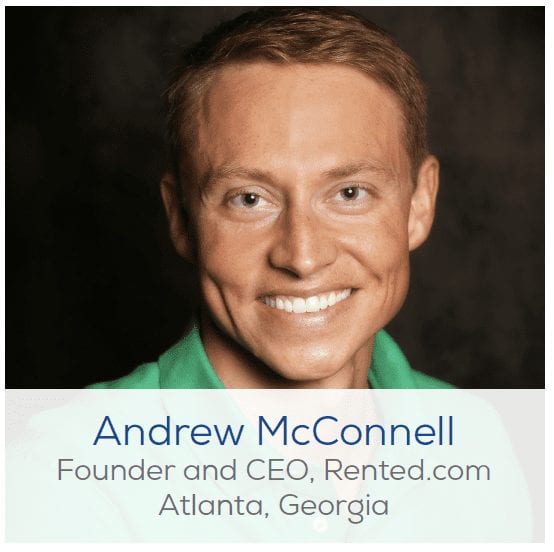 [/su_column] [su_column size=”1/2″ center=”no” class=””]
Where to even start? These past several months have been unlike anything most of us have ever experienced. Even with recessions or prior dips in travel, rarely have our personal and physical safety been put at risk in quite the same and sustained way as at present. This time really is different. And the toll it is taking is just as new as it is different and difficult.
Perhaps that is where we can start with the positives. Because it is so new, and different, and downright difficult for all of us, we are connecting in ways that are just as new and different. This has always been an industry based on relationships and personal connections. Whether it is our core business of welcoming families into our homes, or the fact that our conferences often feel as much like family reunions as educational events, ours can feel like an industry that is as steeped in friendly collaboration as in competition.
This approach has always made our industry special. It makes it even more so today as people around the industry and around the world dive in to help one another. We’re helping companies navigate the current uncertainties so that they can survive to the other side of this. We are helping those who find themselves suddenly and surprisingly unemployed to find new jobs and help pay the bills in the meantime. We’re helping local communities who, now more than ever, are missing the liveliness, and the livelihood, that vacation rentals bring. We are doing all of this and more because we’re all in this together.
In the present environment, you could be forgiven for failing to plan ahead. Simply keeping your head above water day-to-day may seem like a herculean task in its own right. But even though it is forgivable, it is not recommended. The truth is that although things are different—although things have changed—markets will open up. Travelers will come back. When that happens, you want to be ready. The time to prepare is now.
No one knows for sure when things will get back to normal, or what normal will even mean on the other side of this. The one thing I can say with almost 100 percent certainty is that, as an industry, we will come out of this more connected and more resilient than when we entered it. We will come back from this in an even better position to succeed in the long term, but only if we take the difficult steps required and make the necessary investments today.
None of this will be easy, but, then again, none of this ever was.
[/su_column] [/su_row]
[su_row class=””] [su_column size=”1/2″ center=”no” class=””]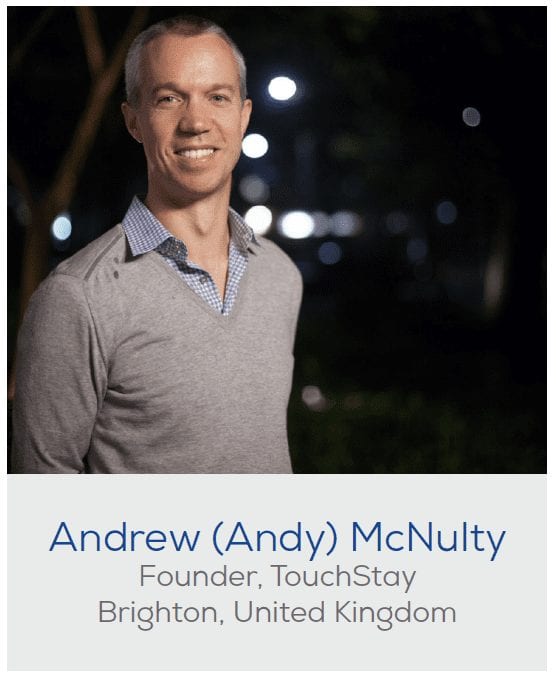 [/su_column] [su_column size=”1/2″ center=”no” class=””]
Despite the virus being possibly the worst negative shock on the global economy over the past decade, it has paradoxically also delivered some of the most uplifting human stories of our time. There is no better example than Captain Tom, a 100-year-old veteran who helped raise £32 million for the UK’s National Health Service (NHS). It’s not about the money. It is about the spirit, the determination, and the resulting smiles his actions sparked. It’s human to the core.
That very DNA of humanness is something the vacation rental industry has buckets of. As we struggle with business, let’s not forget what we’re great at: being human, putting smiles on faces, and helping create wonderful memories. We may not have that opportunity right now, but guests will return, and when they do, they’ll need us to help revive and restore them. We’re innately better positioned than any other form of accommodation to do this!
I’d also like to give a shout out to Hostfully, a fierce competitor of ours when it comes to guidebooks. We had such fun collaborating with them on To Guests With Love, a celebration of our industry. We both dropped our competitive barriers for something far bigger than ourselves, and I can confidently say that we’ve now become friends through the process of sharing stories of our own lives, swapping photos, and encouraging each other through these tough times. That’s what I’m talking about. That’s our industry to the core!
[/su_column] [/su_row]
[su_row class=””] [su_column size=”1/2″ center=”no” class=””]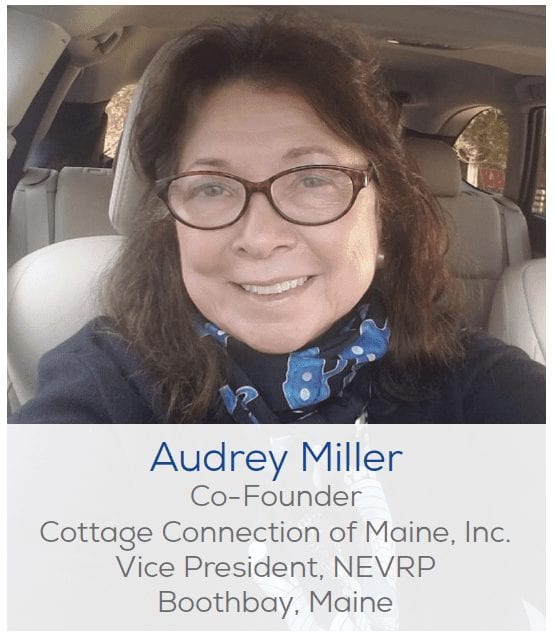 [/su_column] [su_column size=”1/2″ center=”no” class=””]
I feel your pain, and I am sending you hugs from Maine!
I offer you a beautiful quote from Sister Joan Chittester as we reassess who we are and what we do. I have been quoting this to my owners and guests as we make our way through this challenge.
“Hospitality means we take people into the space that is our lives and our minds and our hearts and our work and our efforts. Hospitality is the way we come out of ourselves. It is the first step towards dismantling the barriers of the world. Hospitality is the way we turn a prejudiced world around, one heart at a time.”
Be well, and no jumping off the ledge!
[/su_column] [/su_row]
[su_row class=””] [su_column size=”1/2″ center=”no” class=””]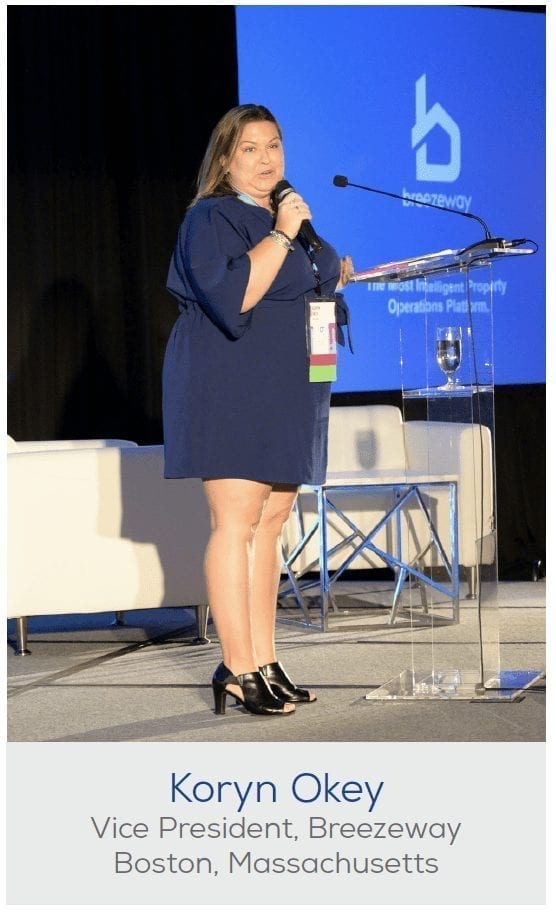 [/su_column] [su_column size=”1/2″ center=”no” class=””]
When I walked into a small office in the heart of Boston 12 years ago, I had no idea that I’d fall in love with the vacation rental industry. Sure, I’d always had an affinity for travel, but I didn’t fully understand the extent to which accepting a job at a travel start up would shape my career, identity, and love for the vacation rental community.
In the seven years I was with FlipKey/TripAdvisor, I learned firsthand how big an impact distribution can have on small businesses and about the immense benefit of collecting and sharing guest reviews in building a brand. Then I dove into an often-overlooked part of the business: back of house operations. Scaling Breezeway these past four years has helped me realize just how instrumental housekeepers, inspectors, and maintenance teams are in ensuring well-maintained properties and providing amazing experiences at vacation rentals.
In between these two experiences, though, I took a break from the industry. I thought I was ready for a fresh start, but I quickly learned that I was wrong. I missed the vacation rental community and the people who make it so incredible. After more than 10 years, I’ve gotten to know many of you and heard about your families and life events: the weddings, babies, vacations, and losses.
And it’s because of these people that I know our industry will come back stronger and more determined than ever. The past few months have, no doubt, been challenging and have forced uncomfortable decisions like letting go of staff and accepting hundreds of cancellations.
But make no mistake. Whether it’s next week or next month, those same people faced with the hard decisions today will put on a smile and welcome guests back to their respective markets. And, hopefully, we’ll all be a little kinder to and more thankful for one another.
I know I will.
[/su_column] [/su_row]
[su_row class=””] [su_column size=”1/2″ center=”no” class=””]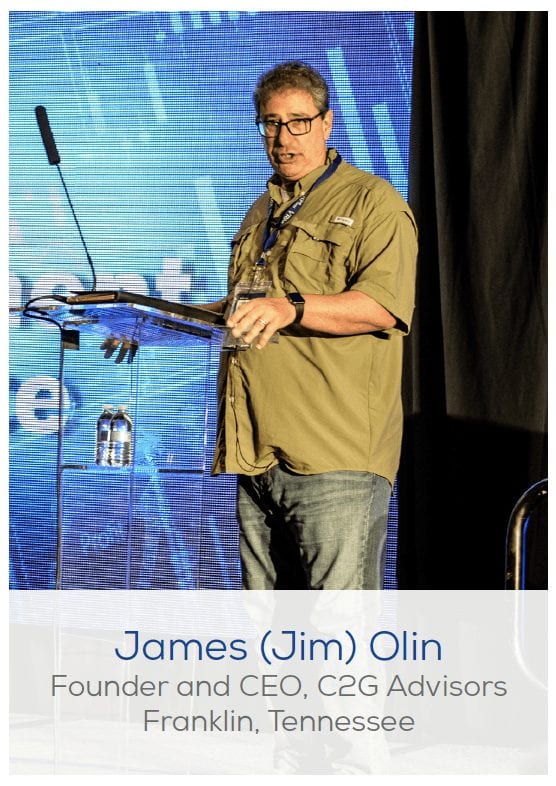 [/su_column] [su_column size=”1/2″ center=”no” class=””]
We overcame 9/11. We overcame SARS. We overcame the Great Recession. We overcame hurricanes and fires. We overcame oil spills. We overcame no snow. We overcame earthquakes. And we will now overcome COVID! If nothing else, this pandemic has shown us how fragile our lives and our economy are. We must make sure our industry gets stronger from all of this, and I truly believe we will.
[/su_column] [/su_row]
[su_row class=””] [su_column size=”1/2″ center=”no” class=””] [/su_column] [su_column size=”1/2″ center=”no” class=””]
You support the memories we cherish for a lifetime: laughter around the dinner table with families and hugs with loved ones around campfires. Right now, things are anything but normal, but this is not the first challenge our industry has faced, nor will it be our last. We built our businesses through vision, grit, and ingenuity. Together, we will get through this and come out on the other side, creating even more memories to carry with us.
[/su_column] [/su_row]
[su_row class=””] [su_column size=”1/2″ center=”no” class=””]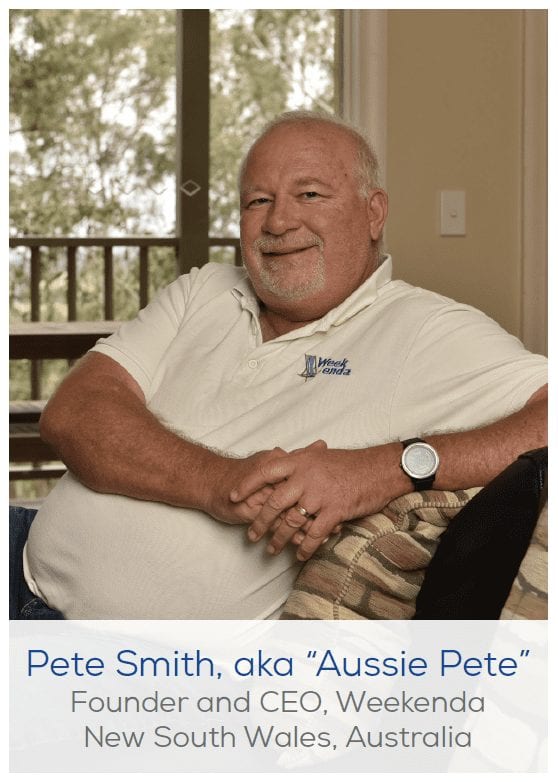 [/su_column] [su_column size=”1/2″ center=”no” class=””]
We have crazy times out there, but we will pull through this. Self-isolate, stay home, and have robust conversations in your business about best- and worst-case scenarios. Plan for both. Take time to sharpen the saw so that your business is the best it has ever been.
Give some extra love to your staff and your owners, as you are going to need them to be resilient and stand by your side when we come out of this, as we still have some water to flow under the bridge. Once we get rolling, give your guests a free night or something special, as now is the best time ever for your business to shine and show that you really care. Plan for the worst; hope for the best.
See you all on the other side, where the good news is that everyone will need a holiday/vacation.
[/su_column] [/su_row]
[su_row class=””] [su_column size=”1/2″ center=”no” class=””]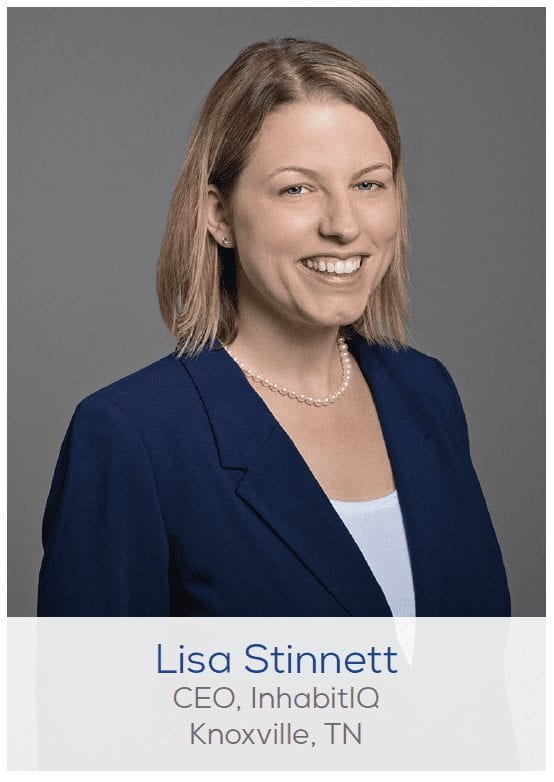 [/su_column] [su_column size=”1/2″ center=”no” class=””]
Your vision, expertise, and dedication have built an amazing industry that is a fundamental part of American life. There’s a strong spirit among travelers who want adventure and those who host them, and that spirit won’t be broken by this crisis or by anything else.
For myself, my team, and our clients, this crisis has summoned a passion and perseverance in all of us more than ever before. Your challenges are our challenges, and we’re linked arm in arm with you, fighting the good fight.
As we start to see the results of pent-up demand, I can’t wait to celebrate our swift recovery with you!
[/su_column] [/su_row]
[su_row class=””] [su_column size=”1/2″ center=”no” class=””]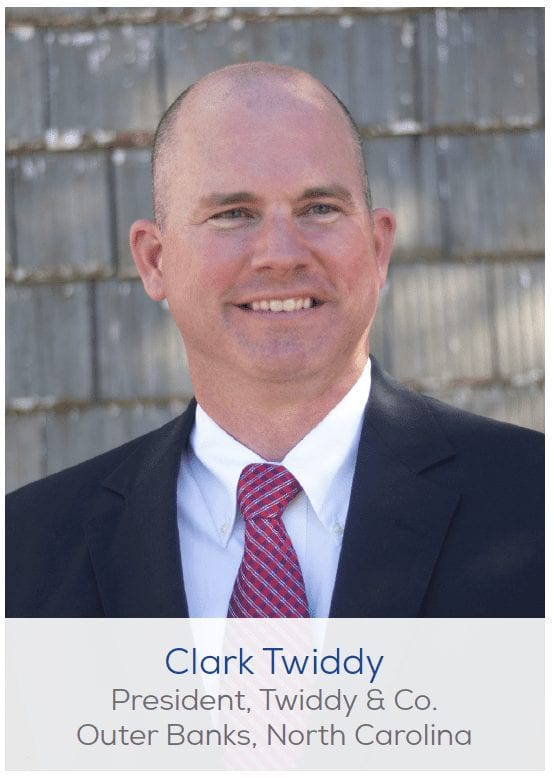 [/su_column] [su_column size=”1/2″ center=”no” class=””]
Despite the mountainous sea of changes caused by the coronavirus, we have been comforted in some ways that, despite the complexity, the fundamentals of our industry remain largely intact. Quality inventory built on trust, service expectations that meet the needs of guests, and a professional team focused on a great guest experience remain the name of the game. Happily, this is still a people-focused business.
Organizational agility and on-the-ground engagement count for more than ever, as do local relationships across interests and industries. Trust—hard-earned over time—in every direction remains the single most valuable leadership currency. In a crisis, credibility is hard to underestimate.
While automation remains tempting, we are reminded at times like these that there is no substitute for knowing your customers as people. Candid, accessible, and transparent information communicated regularly wins the day, even when much of the information is imperfect or even unknown. Social engagement is messy . . . but don’t hide from it. Problems are best identified at the front line. They are best solved there as well—empower your team to act.
It’s easy to get paralyzed by confusion or competing demands. We simply come to work every day and say we were going to try to do the right thing and do the best we can, time and again, day in and day out, until we are through it.
From a leadership perspective, when times get hard, I think simplicity is what carries the day. If nothing else, lead by example and take care of your people. Make sure they are giving a day of their life to something that makes a positive difference.
[/su_column] [/su_row]
[su_row class=””] [su_column size=”1/2″ center=”no” class=””]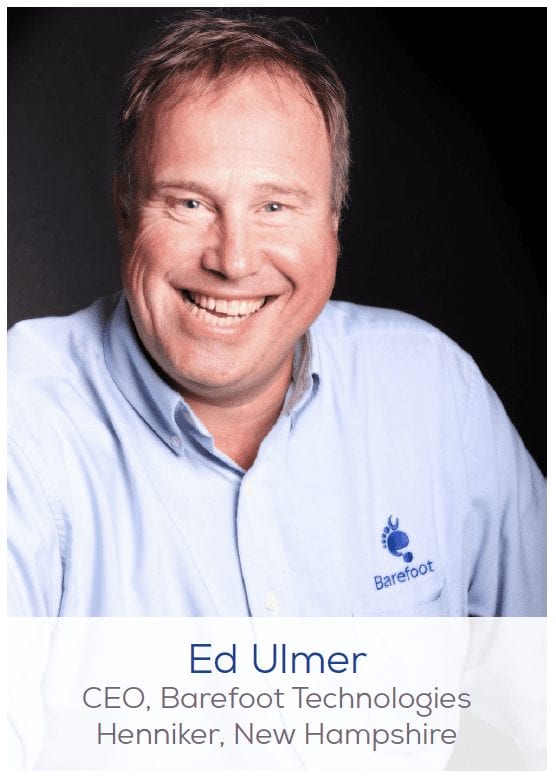 [/su_column] [su_column size=”1/2″ center=”no” class=””]
We will come out of this stronger because disruption makes us think creatively instead of just continuing what we have done in the past. For many PMCs, the past few years have held a disruption of another kind: the loss of control. For both owner and guest, local expertise and professionalism did not seem to matter quite as much as they had in the past.
With COVID-19 this has changed, and you have an opportunity to reclaim that power.
Travel will not just open; it will be a process that differs for each market and will be accompanied by enhanced cleaning, clear and concise information, and services that really can only be provided by someone familiar with the area. What you sell and provide has been altered. It is still a property, a vacation experience, and your local expertise, but what is most important is trust. The trust with owners that you are not just doing the bookings but also managing some of their biggest assets. The trust with guests who need a safe, remarkable vacation, not just a unit. I’d be happy to talk in more depth and share relevant experience and thoughts.
[/su_column] [/su_row]
[su_row class=””] [su_column size=”1/2″ center=”no” class=””] [/su_column] [su_column size=”1/2″ center=”no” class=””]
Reflection
This crisis has given time for reflection. Less travel, less expense, and less of a carbon footprint have made me and many of my colleagues realize that we are on the cusp of a new era in business and personal focus, accelerated by this crisis. I have also enjoyed less pollution, cleaner air, less noise, dark skies, and bright stars with no vapor trails, and so has the planet.
In the vacation rental world, the hidden enemy is not going away and has highlighted the burden of an increasingly mobile population and its travel disappointments. With an increasing corporate focus on efficiency, concern about terrorism, bag-size checks, grumpy staff, plastic knives and forks, and so on, frequent travel is not as enjoyable anymore. Although I’m definitely webinar-weary, the use of virtual communication is here to stay and will continue to reduce travel. Large businesses will have realized that full- or part-time work from home can save office space costs, reduce staff travel and stress, and help people be more productive. The shorter the trip, the greater the chance of it being replaced by the virtual world.
Rural real estate is now rising in price as many city dwellers have not enjoyed this experience, and the denser a population becomes, the greater the dangers. Combined with virtual communication, local neighborhoods may see a new resurgence.
Many small businesses have been on the proverbial hamster wheel for years and never looked outside the cage to realize that they are powering the corporations’ light bulbs and hoping for a few nuts on the way. Actual holidays and major events will still be high on people’s personal agenda, but this will have its own new battleground: hygiene. The impact of this virus is only just being felt, and this is where the major corporations will have a powerful influence and are currently setting their stalls out to influence guests and your business.
Escaping the rodent cage is a common discussion in times of reflection. The togetherness and selflessness we have witnessed during this period has shown the true nature of the human spirit. This spirit should be harnessed in the business world too, where we all work toward a common goal and healthy independence. Collaboration, slowing down, and planning to power your own hamster wheel, but only when you need the lights on, has to be important. In fact, this can bring about a true sharing economy. Unless we reevaluate our approach to the whole ecosystem now, the next global crisis could be the last.
[/su_column] [/su_row]
[su_row class=””] [su_column size=”1/2″ center=”no” class=””]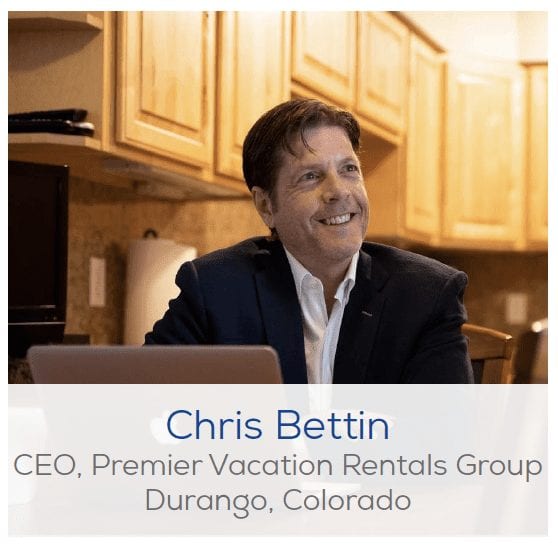 [/su_column] [su_column size=”1/2″ center=”no” class=””]
This is our moment. Getting through to the other side may require the flexibility of a contortionist with a side gig as a catnip farmer herding felines cats through fields. Let’s face it; if we can’t imagine what the other side looks like, then it’s tough to know what to do now. Our business was forged in the fires of the last great economic calamity, a time we had to look hard for silver linings. Silver linings are tough to see right now. Here’s one. People are fantasizing about traveling when this is over. People are focused on what they love and value in their lives, and for many, it’s travel. After WWII and the Great Recession lodging came roaring back. Is COVID-19 the perfect storm of isolation and pent-up demand to inspire travel to high-value lodging, safely socially distanced from the masses? This is our moment to prepare for the light at the end of the tunnel.
How are we to help our communities now, when everything is vacant? For many of you, in times of forest fires, hurricanes, or other large-scale events, there was an obvious answer. We asked our homeowners if they’d donate their homes to frontline workers in need of isolation. Our owners responded with enthusiasm, and we formed a coalition with the vacation rental companies in our area called Vacation Rentals to the Rescue. It has filled a need in our community, and it has been a way for our companies to shine in a different light. It has brightened this time for us. Media attention inspired paid travel directly to us where appropriate. We can’t help but wonder if many who are cooped up in their homes, after seeing that coverage and longing to travel to their special places, will think of vacation rentals first. Until then, this is our moment.
[/su_column] [/su_row]
[su_row class=””] [su_column size=”1/2″ center=”no” class=””] [/su_column] [su_column size=”1/2″ center=”no” class=””]
We’ve all joked about how the vacation rental industry is like the Wild Wild West. I never truly believed that this analogy would become our reality. I have been in this wonderful industry for over 30 years, and while the past 10 years or so have been challenging with the Great Recession in 2008 and the Deep Horizon oil spill in 2010, the last two years have been unimaginable after being hit by Category 5 Hurricane Michael in 2018.
In 2020, in a world we thought would resemble the Jetsons, we are all quarantined at home, forced to close our businesses and beaches and to wear masks to protect our families from what some call an unseen killer and others call a media-driven virus. Regardless of where you fall on that spectrum, nobody is exempt from its effects.
A worldwide pandemic is something I had read about in history books and fiction novels. I never would have imagined living through one. Putting personal inconveniences aside, COVID-19 has put vacation rental managers around the world in unprecedented situations. Some countries shut down completely, whereas others skirted the fine line of being precautionary and resistant.
I’m grateful to say that the state of Florida and its leaders have made the right, albeit tough, decisions. It’s not easy to shut your doors in a month that usually sees hundreds of thousands of families enjoying their spring break vacations. It is bizarre, to say the least, to see the “World’s Most Beautiful Beaches” in Panama City deserted except for the occasional seagull.
Having said that, what I’m most proud to have seen during this time is a team who has made huge sacrifices to serve the greater good. My work family has been challenged in more ways than one; many have not yet recovered from Hurricane Michael and have now had to face more unknowns about their future. But, as they say, through adversity comes strength.
We know this to be true now more than ever before. I’m fortunate to have peers and colleagues who have become like family to me, especially through organizations like the Onsite Property Management Association (OPMA). Although we are all affected equally, not a day passes where I don’t send or receive a text, phone call, or email just to “check in” and support one another.
While we remain mindful of the situation, let’s not be fearful. I pray for our safety and health, and I look forward to seeing you all (hopefully on the beach) soon.
[/su_column] [/su_row]
[su_row class=””] [su_column size=”1/2″ center=”no” class=””] [/su_column] [su_column size=”1/2″ center=”no” class=””]
As we come out of these times, people will be chomping at the bit for a vacation getaway with their family. No one is more uniquely qualified to provide a memorable experience than you are. I am confident we will come out of this stronger than ever.
Thank you for your resilience time and time again in the face of adversity. When talking with so many of you in the industry before this crisis, I was reminded daily of your remarkably creative and innovative instincts. It is obvious that you love what you do, and it shows in how you take care of your staff, vendors, owners, and guests. This is a winning combination, and I look forward to seeing how our industry becomes even more professional, vibrant, and integral to our well-being—because we all know everyone values vacations and travel experiences. I look forward to continuing to hear and learn from you.
[/su_column] [/su_row]

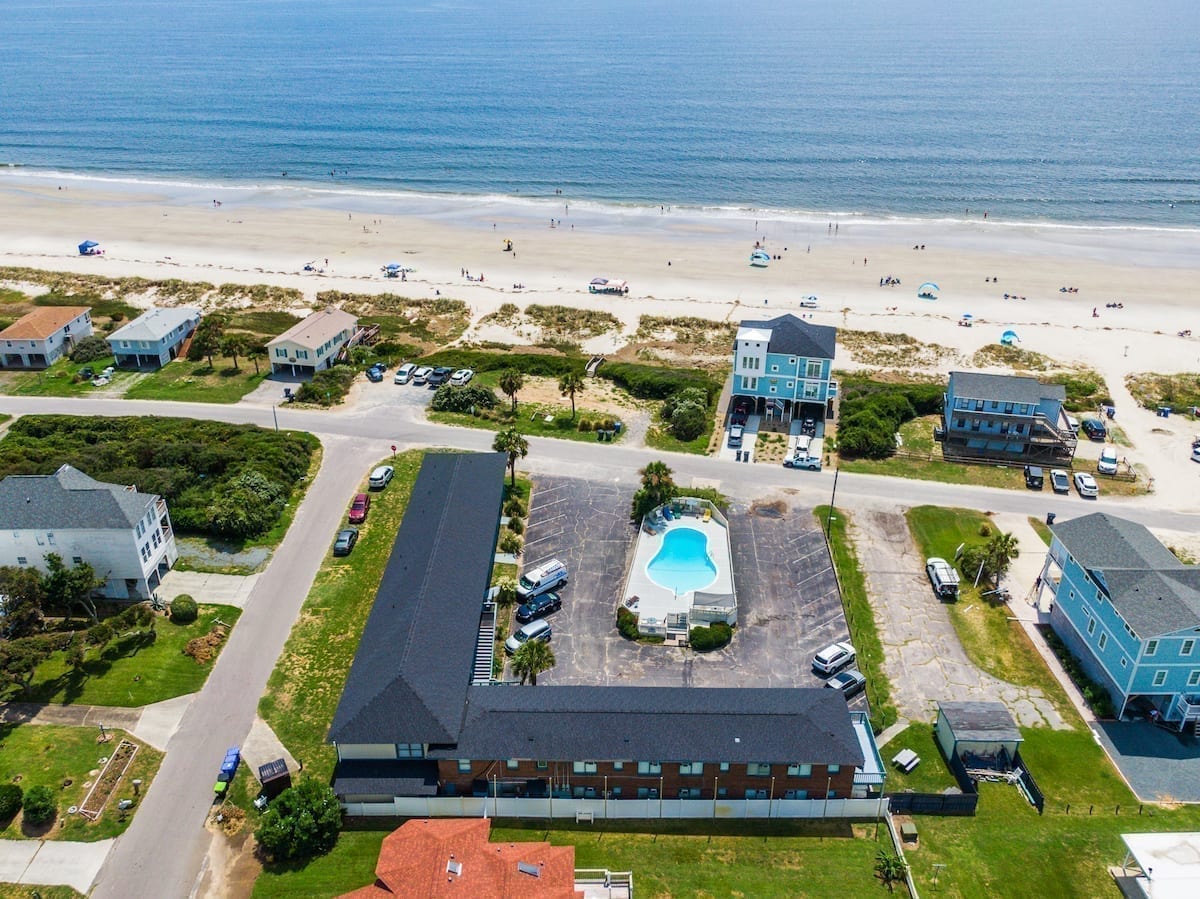
 Founded and operated by vacation rental industry leader and former VRMA president, Mike Harrington, Carolina Retreats is rapidly growing and now includes the full-service management of 300+ vacation homes, Topsail Realty by Carolina Retreats, the Loggerhead Inn, and the Island Resort and Inn.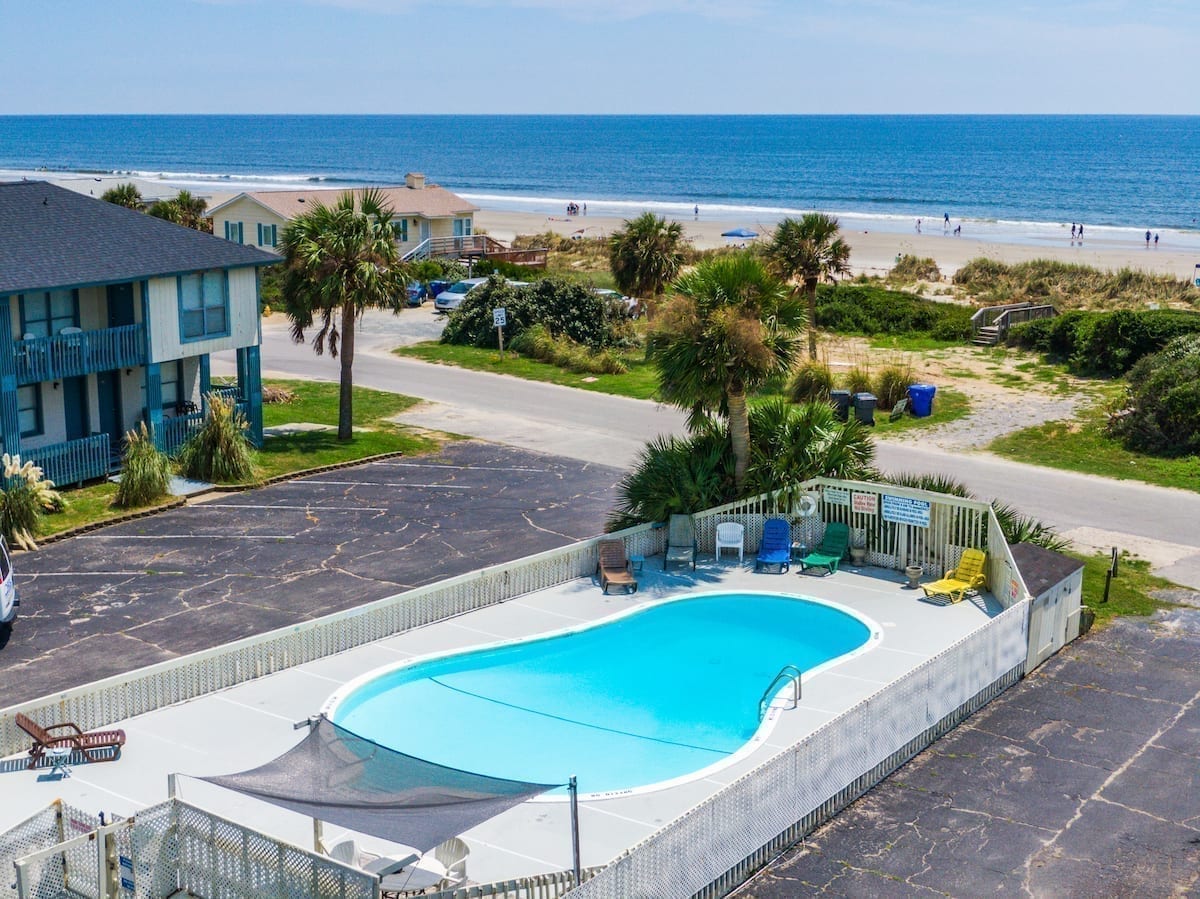
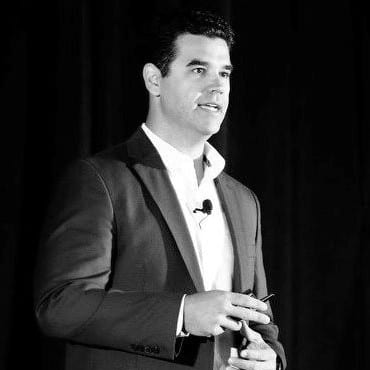 “I am extremely excited for the opportunity take the Island Resort and Inn into the future as its next owner”, stated Mike Harrington, CEO & Owner of Carolina Retreats.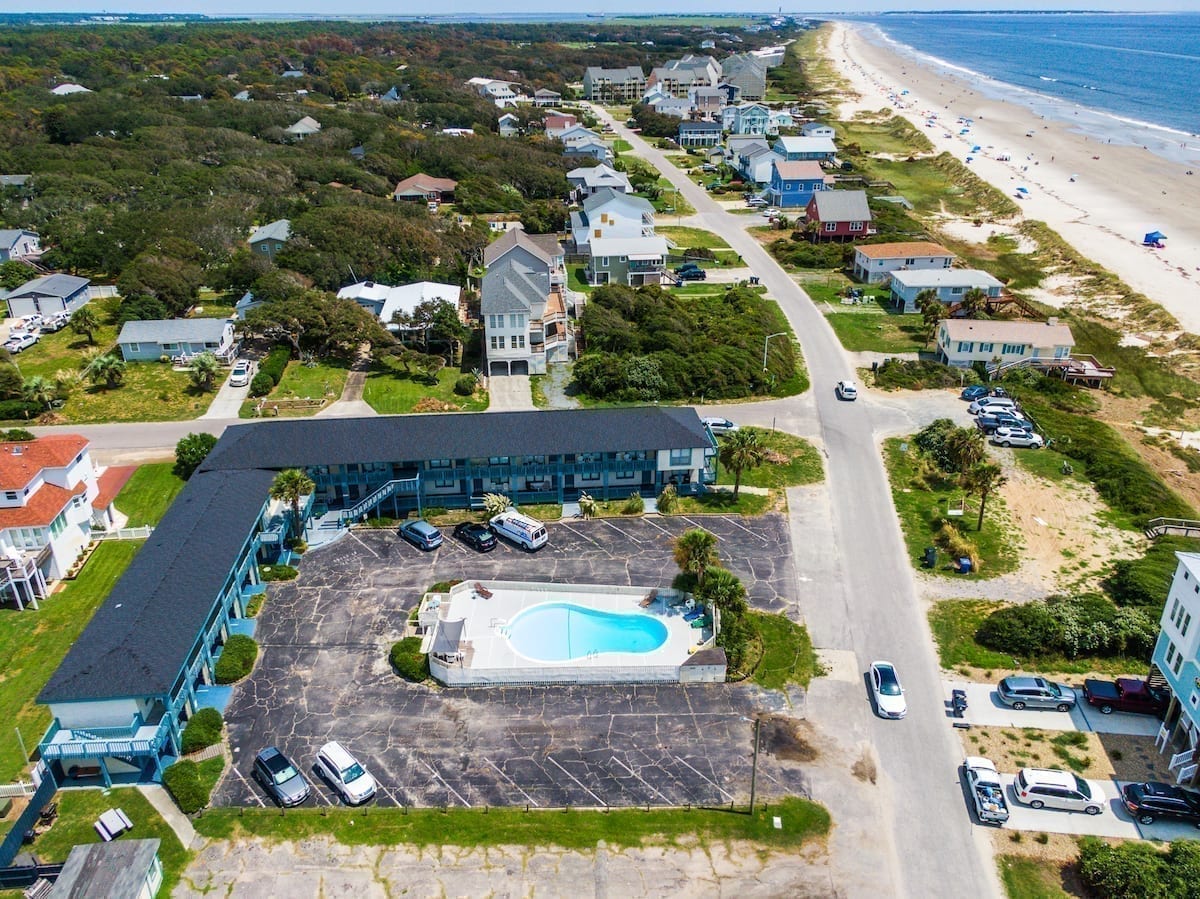
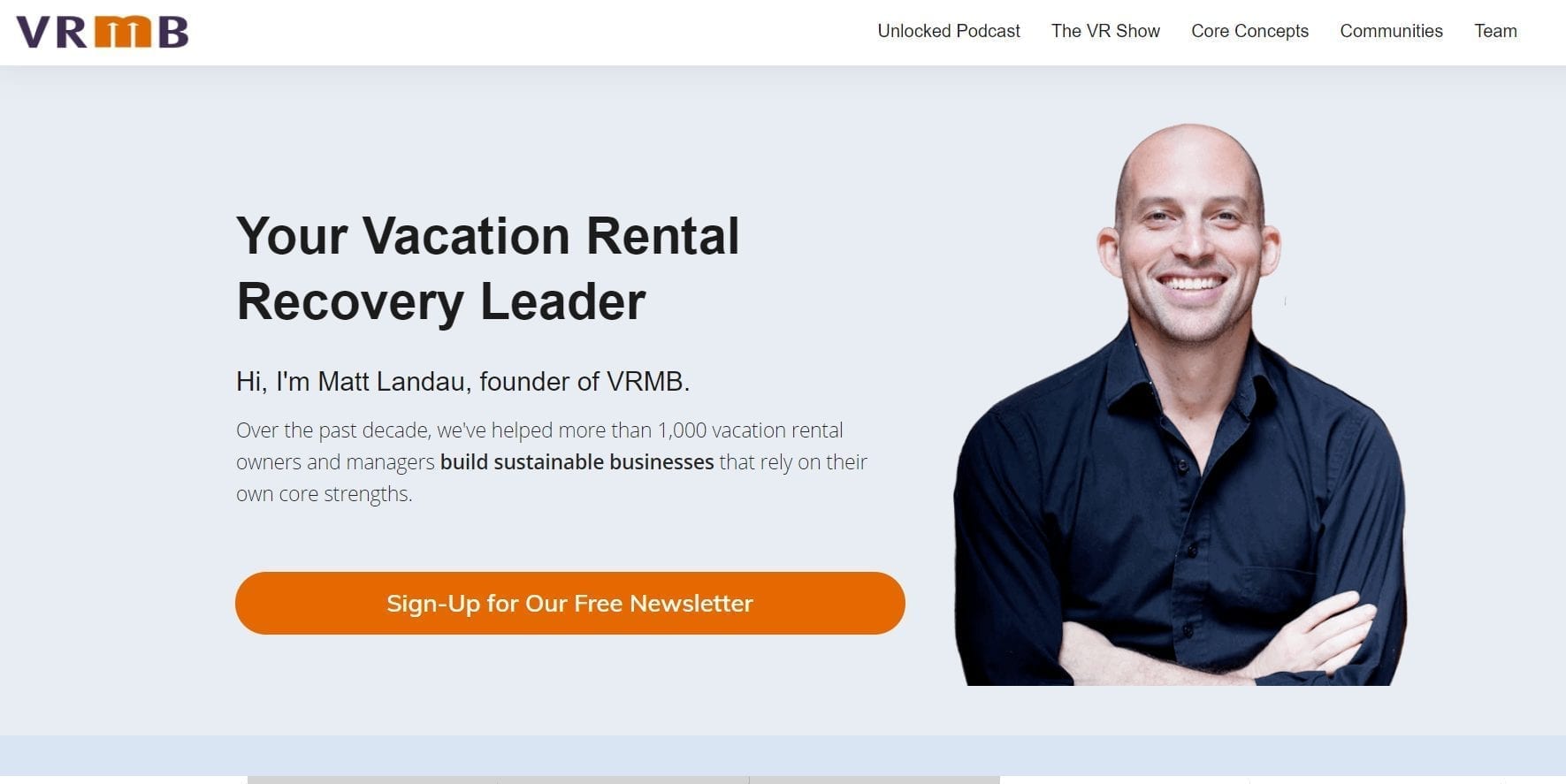
 Dana Lubner knows this all too well. Her company

 As I have always heard from our reservations sales workshop participants, many of those who called previously were looking to negotiate special rates or to get fees waived.
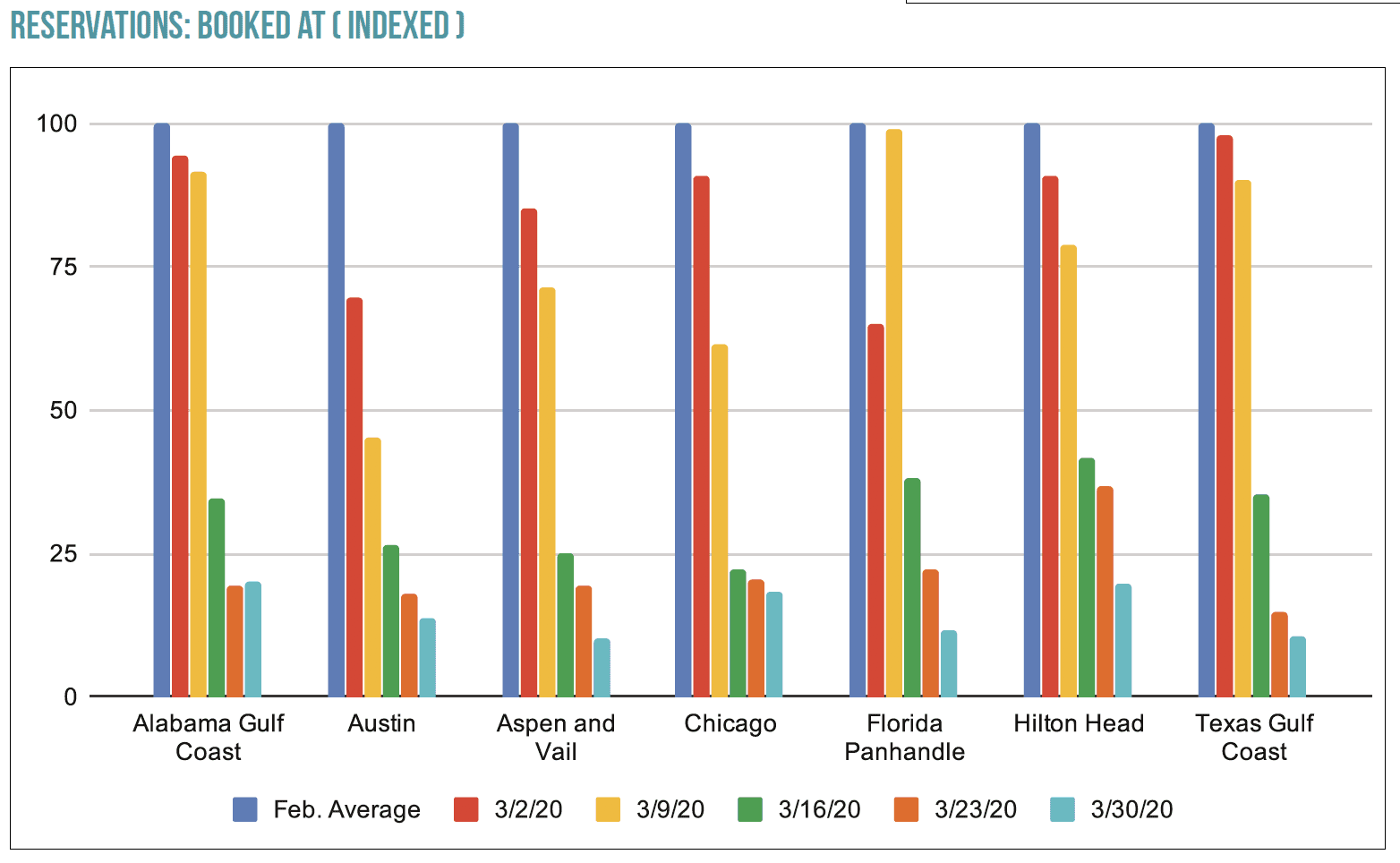 Pent-Up Demand
 Founded in 1972, Chalet Village Properties is reportedly the oldest vacation rental management company in Gatlinburg and was established by a development group that moved into the area, building roads, dividing the mountain into lots, and selling these lots to people looking to build cabins.
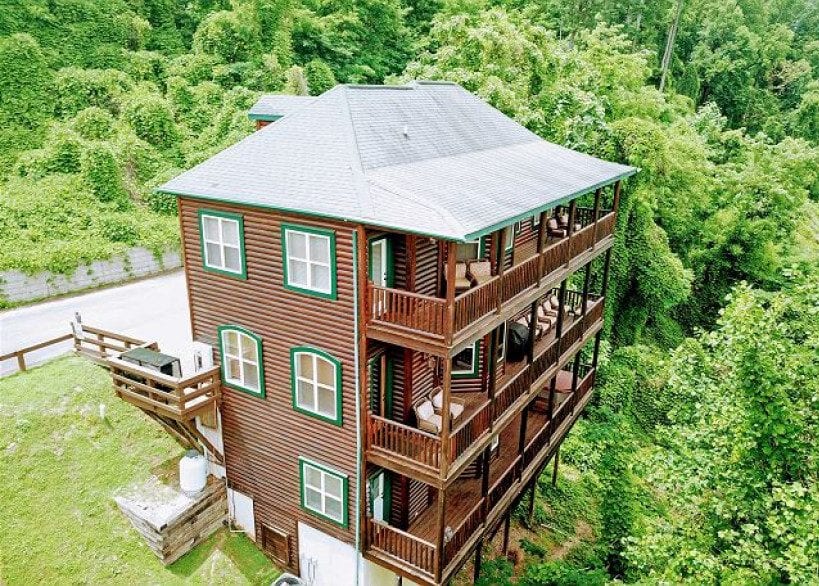 “The most recent owners purchased Chalet Village property management in 1982,” Plimpton continued. “They knew early on that—because of tourism— the village would be better suited for overnight rentals, and they expanded the company as such. When they started, there were no cell phones, internet, or even photographs of the properties. They were making reservations over the phone through verbal descriptions and keeping records of upcoming reservations on a whiteboard in the office. At the time, people were not necessarily coming for the accommodations: They were coming for the downtown area and the national park. Amenities that are now expected (hot tubs, pool tables, TVs in bedrooms) were considered a luxury.”
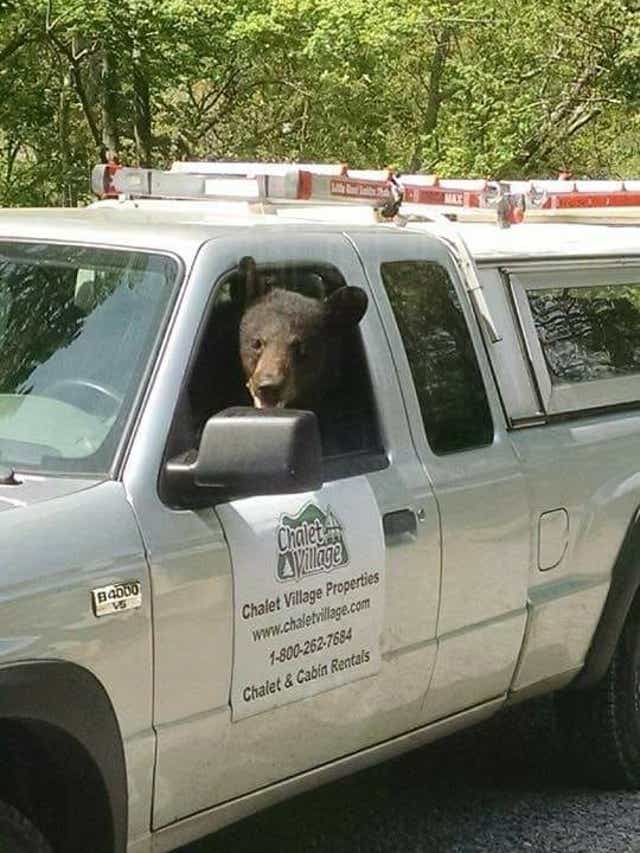 GP: The Chalet Village office we purchased is an iconic building on Ski Mountain in Gatlinburg. It’s in a high traffic location that opens the opportunity for more walk-in business, which we haven’t done a lot of but are open to. Most of our business has been remote. There’s a convenience in our guests not being required to check-in anywhere physically, but there’s also an inconvenience for the guests that wanted to see someone in person. We believe it’s a small percentage but prior to this purchase, it wasn’t really possible. Our offices were all geared towards operations.
 GP: Chalet Village is a reputable company that has been in the area since the 1970s. Like us, it was family-owned. Their properties were in a notorious, central location in Gatlinburg on the edge of the national park, and there’s a lot of history and loyalty to Chalet Village (the area) and Chalet Village (the management company).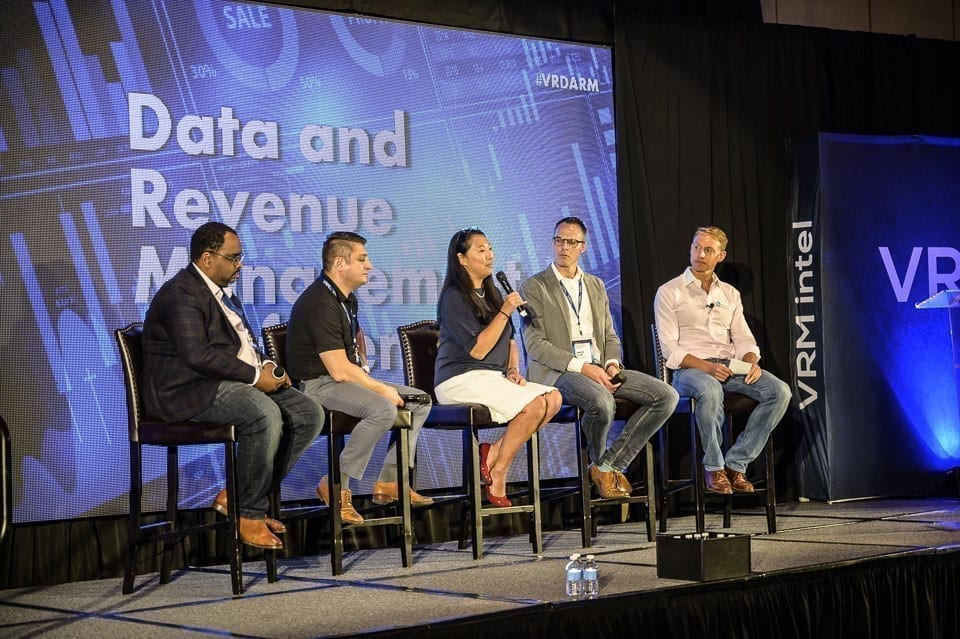
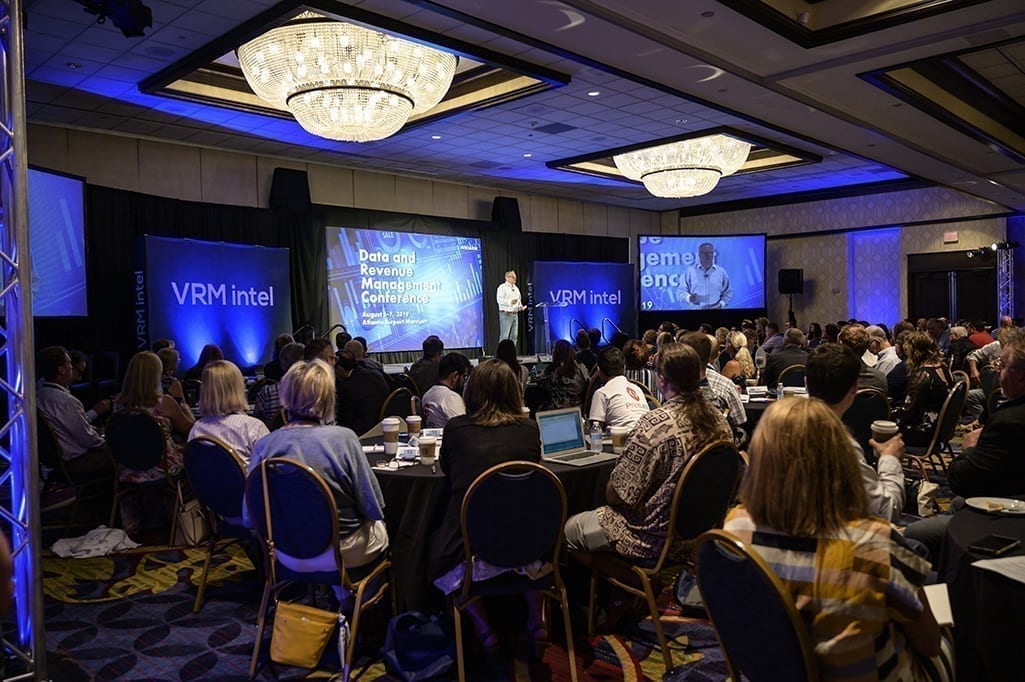
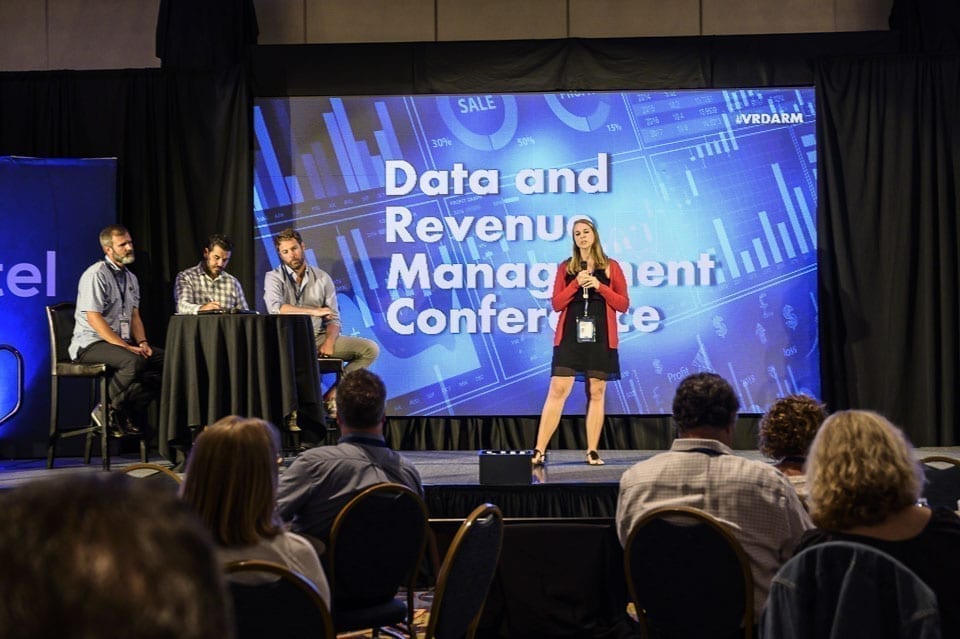 In the vacation rental industry, data management and revenue management disciplines are transforming in front of our eyes.
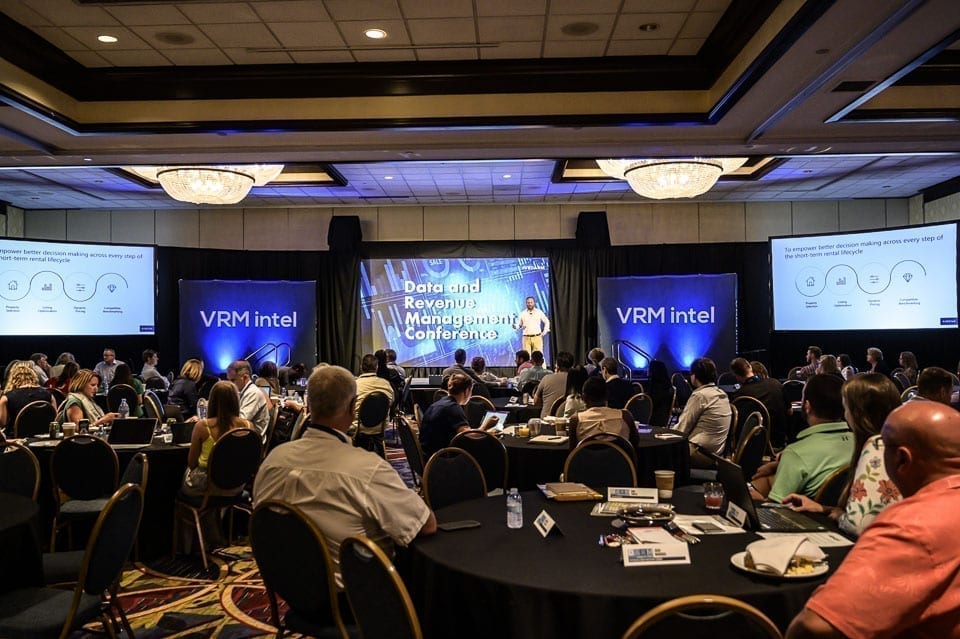 The
The 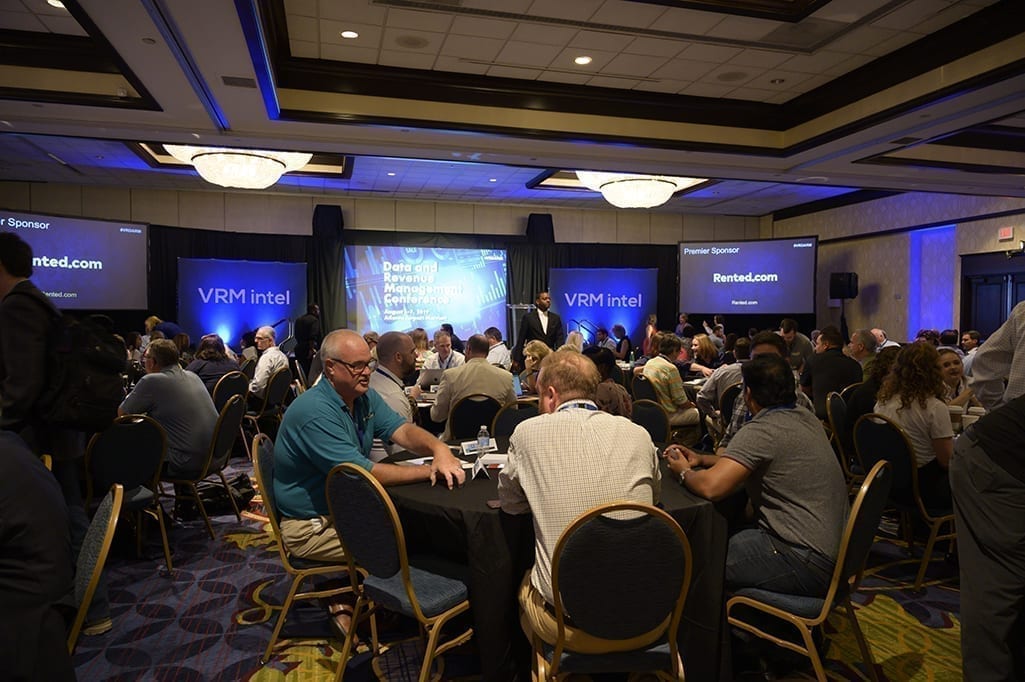 Tuesday, Sep. 15: Data
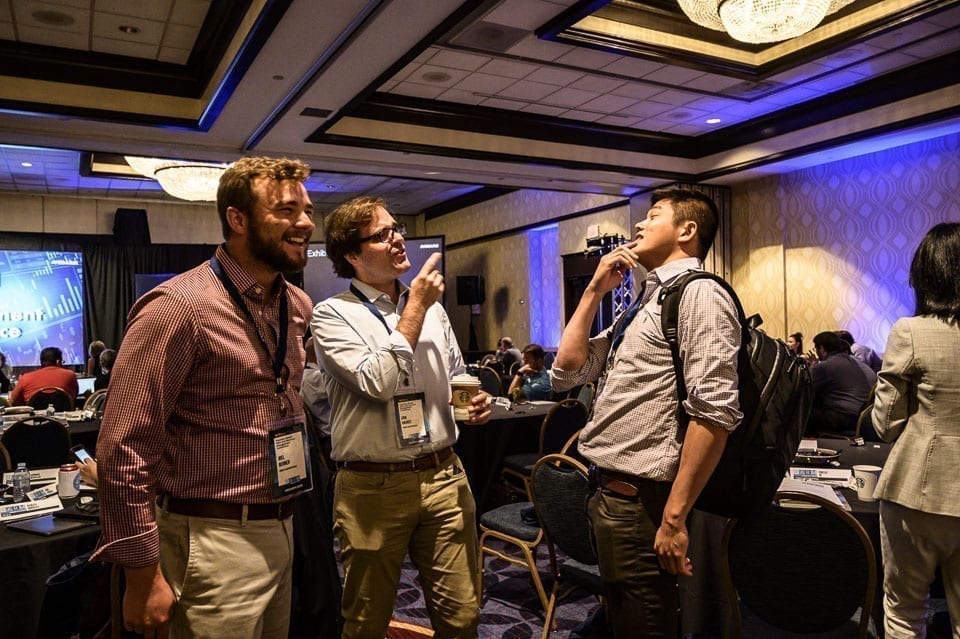 With the online format, the cost to attend has been cut to $299, and participants will receive access to all sessions and recordings, the DARM conference workbook, a certificate of completion, and exclusive DARM resources.







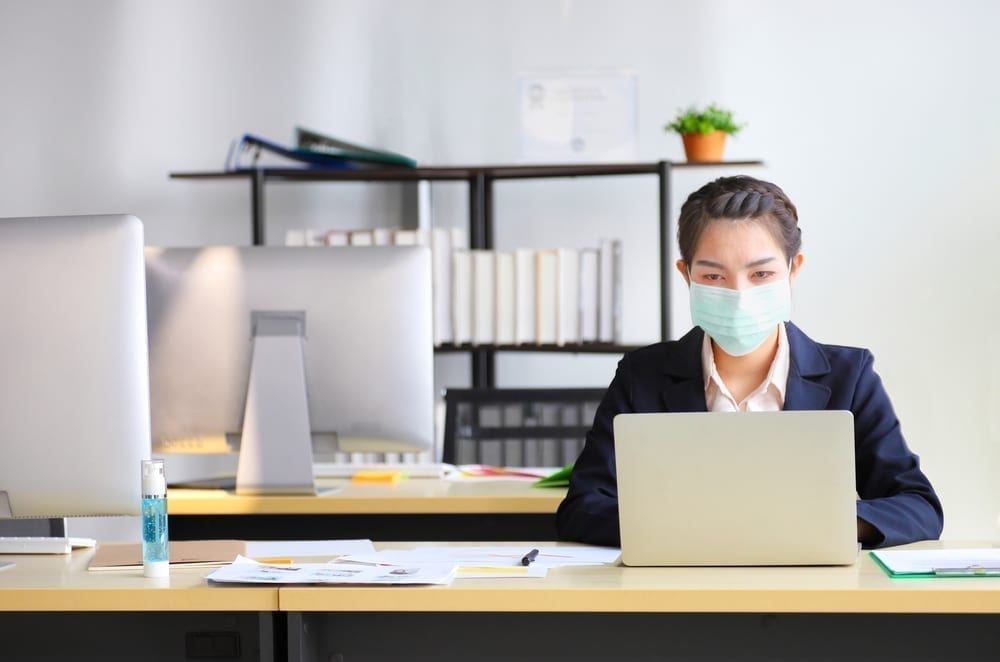
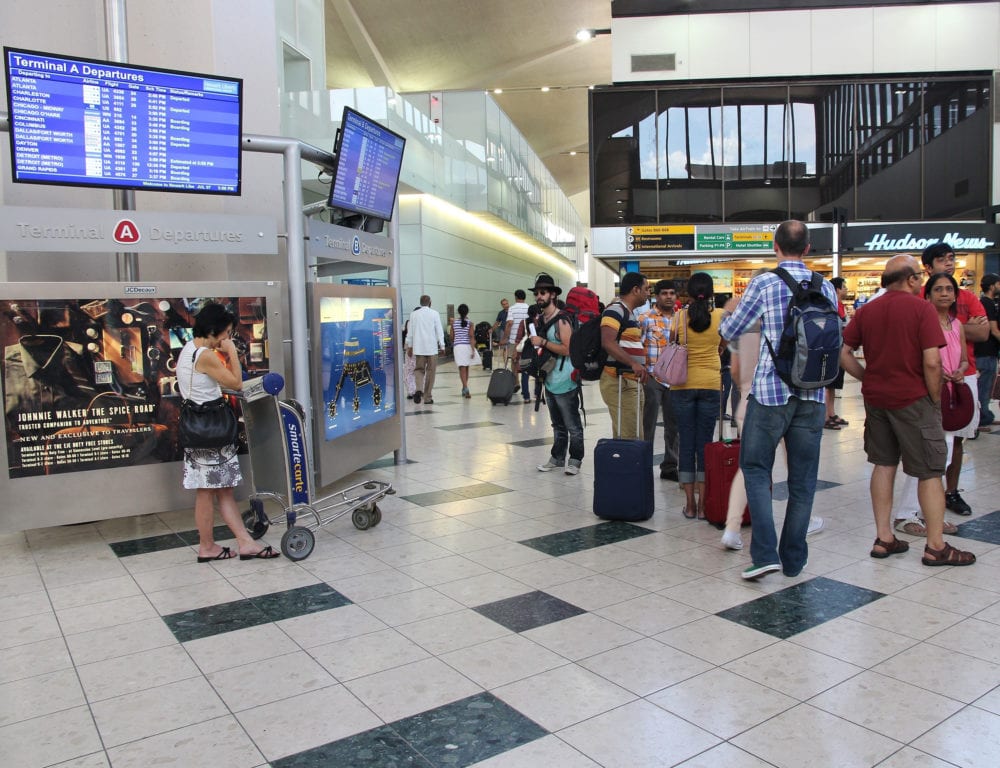
 No matter the interest or industry along our streets, social distancing will be here to stay for the foreseeable future. This will impact us directly anywhere we’re used to encountering other people— stores, restaurants, schools, churches, medical care and so on. At some point, we’ll have to rely less on government regulations to enforce this restriction and take more individual responsibility to protect the health of ourselves and those around us.
 Face masks have other benefits beyond reducing your droplet spray. Once you get used to wearing them (and we can all agree it feels weird and uncomfortable at first), mask-wearing shows others that they should be doing the same. So masks visibly encourage good behavior by others for reducing the spread of the virus. They remind us not to touch our faces. They remind us to wash our hands, and they remind us that there is a highly contagious virus waiting to infect us if we let our guard down.
 It is a cold hard fact that the end of the pandemic is not in our near future.