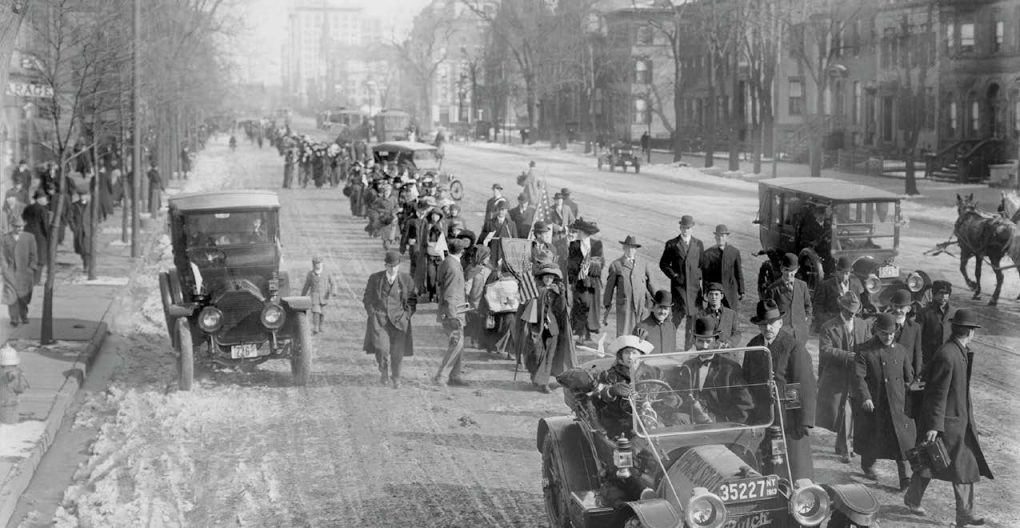
Growing up, we assumed the automobile has always been considered as American as apple pie. Then we looked a bit closer at the history books and saw mirrored back at us a stunning image of our own industry.
A Tale of Two Cities: New York and Detroit
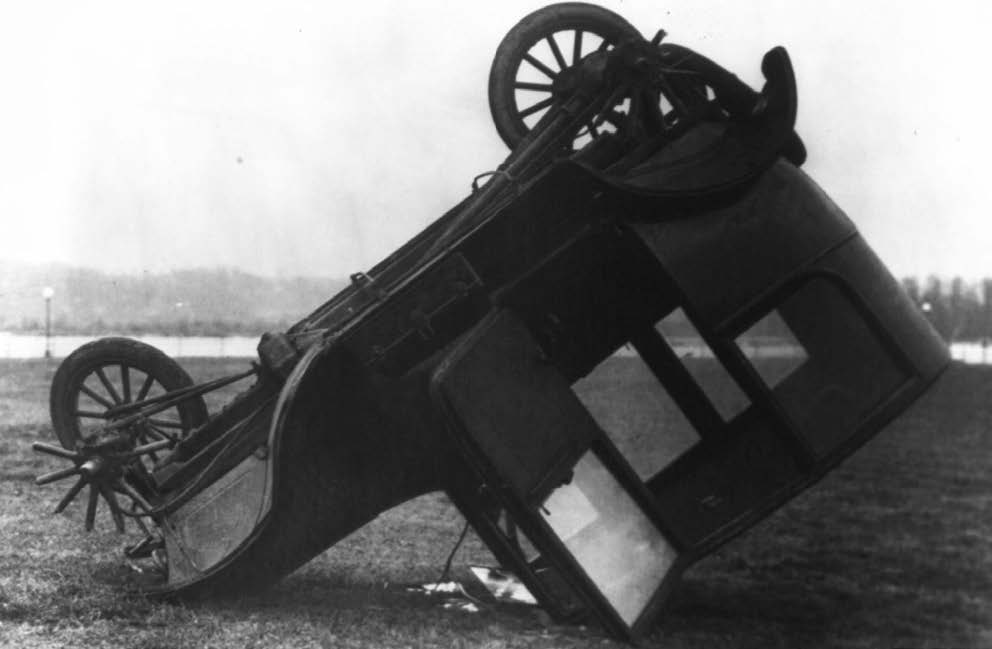
In 1896, the first gas-powered vehicle sped through the dirt streets of Detroit at a blazing 20 mph. At the time, early drivers weren’t practiced with the physics of driving, so accidents and “turning turtle” were common.
At the same time in New York City, automobile use was slowly increasing, but early problems with their introduction to city streets reminded real estate professional William Phelps Eno of a thorny childhood memory: horse-drawn carriage traffic jams.
Foreseeing the chaos of adding automobiles to already congested roads, he set out to put order to it.
Just three years later, he crafted the city’s first traffic code, with driver rules on lane use, passing, turning, and other basics. He would later expand this in Street Traffic Regulation in 1909, laying the foundation for general regulations, city planning, signage, licensing, and more.
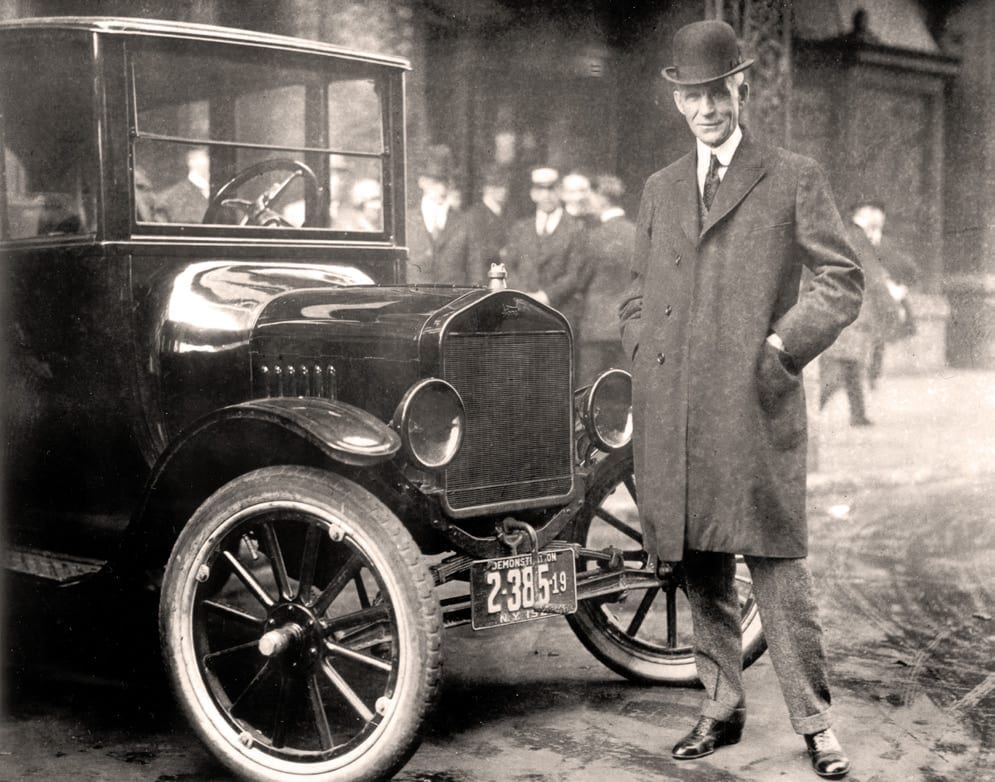
At the time, cars were expensive and often used through hired chauffeurs. However, Henry Ford changed everything when he set out to make the automobile affordable to those who made them. The resulting Model T assembly line suddenly democratized access to cars—not unlike the advent of online travel agencies (OTAs) in the 1990s and 2000s.
As soon as Model Ts rolled onto streets across the country, they were met with vociferous public opposition. Early cars were “terrifyingly loud,” accidents and recklessness increased, and haphazard parking clogged streets.
Hyperbole, fear, and uncertainty triggered debate about cars’ “evilness.”
Meanwhile, in Detroit, cars were still not considered essential transportation. As Bill Loomis wrote in the Detroit News, “It was their speeding that confused pedestrians, frightened horses, and tore up the roadways.”
So policymakers first tried turning back the clock with a 5 mph speed limit to match horse-drawn buggies and “make the streets as slow and safe as they were before cars,” a measure akin to today’s attempts to “slow down” vacation rental (VR) activity by throttling reservations and permit caps.
Detroit’s 5 mph limit proved equally ineffective because it was so slow that cars would stall, causing even bigger problems.
The Headlights Turn On
By 1916, Ford’s assembly line and scale had reduced automobile costs enough to increase sales 67-fold—a shift in consumer demand unlike any seen before. To call the jump from 200,000 cars in 1909 to 2.25 million in 1916 “disruptive” would be an understatement.
As Detroit earned its Motor City nickname as an auto production capital, automobiles’ essentialism was no longer a debate, and city officials could not ignore their massive economic benefit.
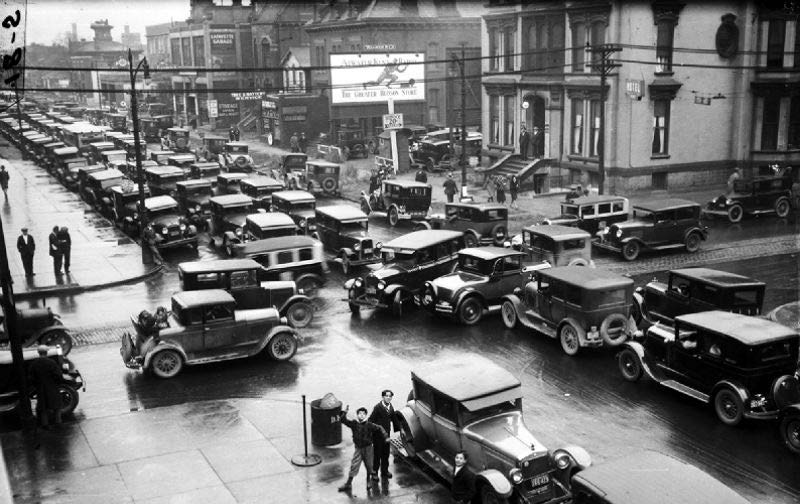
Consequently, the city abandoned its impractical speed limit and looked to more effective solutions. Initially, Detroit placed traffic officers on street corners holding “Stop/Go” signs to help people cross busy roads while keeping traffic moving.
Within a year, 25 percent of Detroit’s police force was managing traffic, yet collisions remained unmitigated, with pedestrians accounting for most accident victims by 1917. Citing the menace to the non-motoring public, activists widely called for cars to be banned, even as their popularity rose. (Sound familiar?)
Still, Detroit was becoming increasingly dependent on automobile production, so it realized it needed to solve the negative publicity and fear, too. The time had come to try a new approach to bringing harmony to the streets.
Turning the Corner
Enter former Ford Motor Co. executive James Couzens. He left Ford in 1913 and entered public service, ultimately becoming mayor in 1919. His industry expertise and collaboration with public safety officials and the Detroit Motor Club put Detroit on the map for traffic control innovation.
According to an announcement in Motor Age in 1909, the Detroit Motor Club was a group created to “fulfill the purpose of a gathering place for all motorists, primarily for the owners of cars, but including as well the retail and manufacturing departments of the trade . . . It is the intention of the organizers of the new club to make it one that does things.”
Perhaps one of the most critical “things” the club produced was a drivers’ Code of Manners. It reminded drivers that regulations protect them, too, and laid out basic rules of common courtesy and self-policing for drivers, ending with a poignant suggestion: “Don’t, therefore, be an obstacle in the path of the progress of automobile good driving.”
This good faith statement shifted focus to preventing problematic drivers and not eliminating the automobile itself.
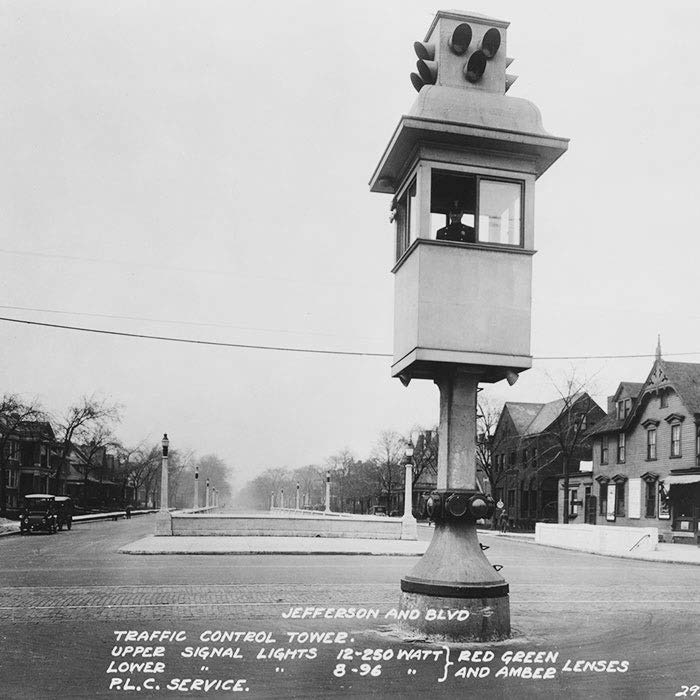
As drivers began adopting these “good manners,” Detroit began to implement new measures in what would become known as the Detroit Plan. This included stop signs, cement guideposts to prevent corner-cutting, tennis court line markings to designate crosswalks and no parking zones, the towing of illegally parked cars, strict enforcement of pedestrian crossing laws, and a massive education campaign. Their installation of electric traffic lights alone saved the city 90 percent of traffic control costs by relieving officers.
During this time, Eno formalized this innovation in a different way in New York City. In 1921, he founded the Eno Transportation Foundation (now the Eno Center for Transportation) with the mission to “promote safe mobility by ensuring that traffic control became an accepted role of government and traffic engineering a recognized professional discipline.”
Eno was thinking two steps ahead, mindfully considering what would come after traffic management and safety basics were to become commonplace.
By the 1930s, they were.
The combination of enforceable and uniform rules, public education, and technology paved a superhighway for the safe, accepted, and widespread use of automobiles.
History Looking Back at Us
Nearly 100 years later, we are witnessing a strikingly similar dramatic disruption in consumer preferences for lodging and resulting regulatory challenges. Short-term rental (STR) usage in the United States has gone through the roof, driven by the democratizing effects of the internet and booking platforms. From 2010 to 2015, the percentage of Americans who had booked STRs quadrupled from 8 percent to 32 percent, according to Phocuswright. We’ve since seen further growth as travelers seek the inherent advantages of private homes as lodging options during COVID-19.
However, as with automobiles, the more popular vacation rentals become, the greater the backlash—especially at the local level. Over the past few years, you can’t have read the news without seeing headlines about STRs that make your hair stand up.
Thankfully, a better future is perhaps more firmly in the grasp of the readers of this very magazine than any other stakeholder. Property managers are among the best equipped to write the rules of the road, design our Code of Manners, and put in place our own Detroit Plan. Thankfully, that road map to make your standards the standard comes neatly packaged to us from history, complete with the lane markings and guideposts we’re calling the five Ps: People, Policy, Plan, Passion, and Power.
The Five Ps: AUTOMOTIVE INDUSTRY’S HISTORY SHOWS PATH FORWARD IN REGULATIONS
1. People
First and foremost, as stakeholders in our communities and experts in vacation rentals, we must take the wheel, not the back seat, to solve public policy issues.
The Detroit Plan worked only because industry experts, enthusiasts, and innovators brought solutions to the table. Rather than denying the issues, the stakeholders recognized that they had a duty to devise policies, implement education, and employ technology to avoid the avoidable.
We have our Enos, those who think years ahead for the betterment of all. We have our bullish Couzens, too, those who demand a seat at political tables. We must recruit those like Samuel Walter Taylor, an editor who published Eno’s first editorial and enthusiastically aided his efforts from then on.
More than ever before, we need our own Detroit Motor Clubs: groups of enthusiastic citizens who simply want to create a better future for all.
Tip: See if a group exists in your area by searching the local alliance directory on RentResponsibly.org.
2. Policy
Today, we don’t question the need for a driver’s license. We don’t think twice about putting on our seatbelts, staying in our lanes, and stopping at stop signs. We expect our cars to come with turn signals, brake lights, and rearview mirrors.
Professional property managers have solved many common public complaints. Our insights can relieve our public officials who, more often than not, are simply looking to quiet the complaint hotlines. Why not help them craft fair, effective, and enforceable laws that actually work for everyone?
We must also adopt our own Code of Manners, regardless of the laws that govern us. Check out our take on such a code at RentResponsibly.org/Oath, or use it to inspire your own. What matters most is that we voluntarily agree to a set of responsible expectations to prevent us from becoming an obstacle in the path of progress of good VR/STR management.
3. Plan
Like Eno, we must look years and decades ahead. The laws we write today must not serve solely our own self-interest, or else we’re stalled from the start. We must focus on the next generations—not only those who will one day take over our companies but also those who will be our future neighbors, local businesses, and policymakers. How do we ensure vacation rentals serve them best, too?
No ordinance is final. The 5 mph speed limits became 20 mph speed limits, which eventually became 55 mph speed limits. So, too, must we be prepared to iterate STR ordinances through thoughtful planning, consideration of all stakeholders, and a long-term commitment.
4. Passion
You don’t have to be a policy wonk or government relations pro to help create successful laws. What matters more is passion. Fun fact: Eno himself never once drove a car. In his words, he took up the issue of traffic regulation because “Its usefulness in saving life, time and money became so apparent that it has interested me absorbingly.”
This simple, passionate interest is the same reason so many of us fall into the vacation rental industry by chance but choose to stay for a lifetime. As long as we bring our passion to city hall, we can change history.
5. Power
Of course, progress often requires some power to make change. It’s long past time for VR professionals to take a seat at the table—and we can no longer wait for a formal invitation.
Many can negotiate with their cities without a formal position. However, like Couzens, we can claim a seat at city hall and use our industry expertise as a public service. For some, sitting on their cities’ STR boards is a great place to start. At Rent Responsibly, three of our staff members have served on city task forces and committees. Others may run for office, like Breckenridge Resort Managers CEO and VRMA president Toby Babich, who serves as Blue River, Colorado’s, mayor.
“Many government officials are surprised to discover that the vacation rental industry is a collection of local, professional, and community-minded small businesses that have many of the same goals as our local governments,” Babich said. “While promoting the vacation rental industry should never be the sole reason to serve, certainly service to our communities through elected positions, committees, boards, or community groups offers us the ability to tell our story, present informed information, and influence discussions that directly impact our businesses.”
Time to Hit the Gas
For automobiles, a successful regulatory foundation enabled the decades of advancement that led to the ubiquity of the automobile as we know it today, including standard safety features and state-mandated drivers’ education and licensing. Thus, like the 1920s for automobiles, the 2020s is our decade to take the wheel and steer our industry, along with our local government partners, to a limitless future with a regulatory framework that works, once and for all.
As Abe Lincoln said, “The best way to predict the future is to create it.”












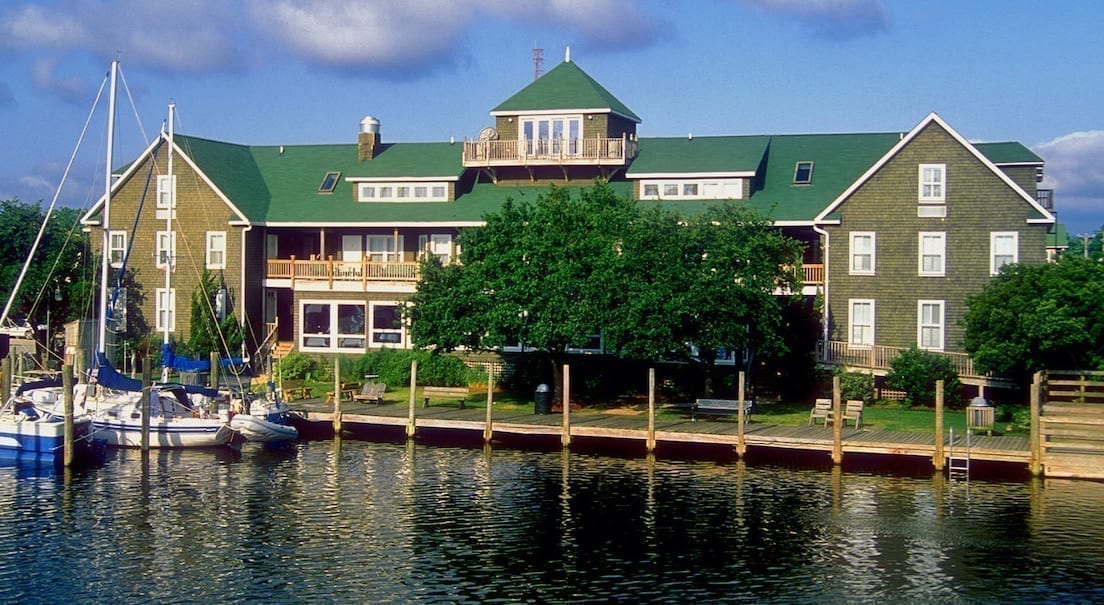


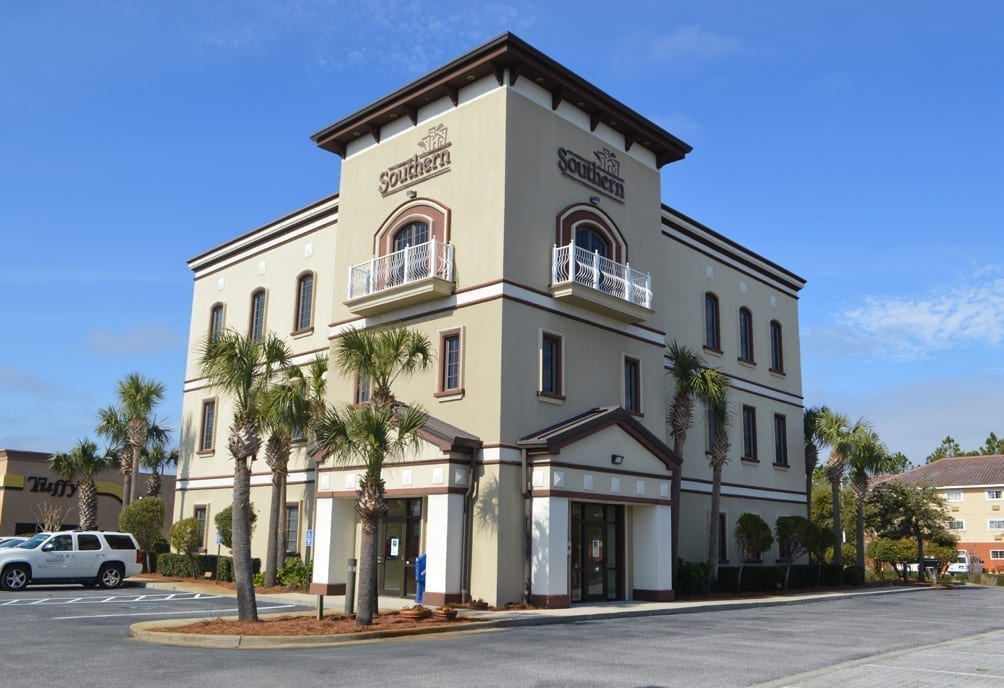 For Southern, having a large multistate footprint provides a clear advantage. In 2010, when the perception was that the BP oil spill affected the beach, guests were able to stay inland. When COVID-19 hit last spring, Florida shut down, but Alabama was still open. “Things will happen. You will shut down. When your business is geographically strained, you won’t have many options. So allow yourself opportunities,” Seay encourages.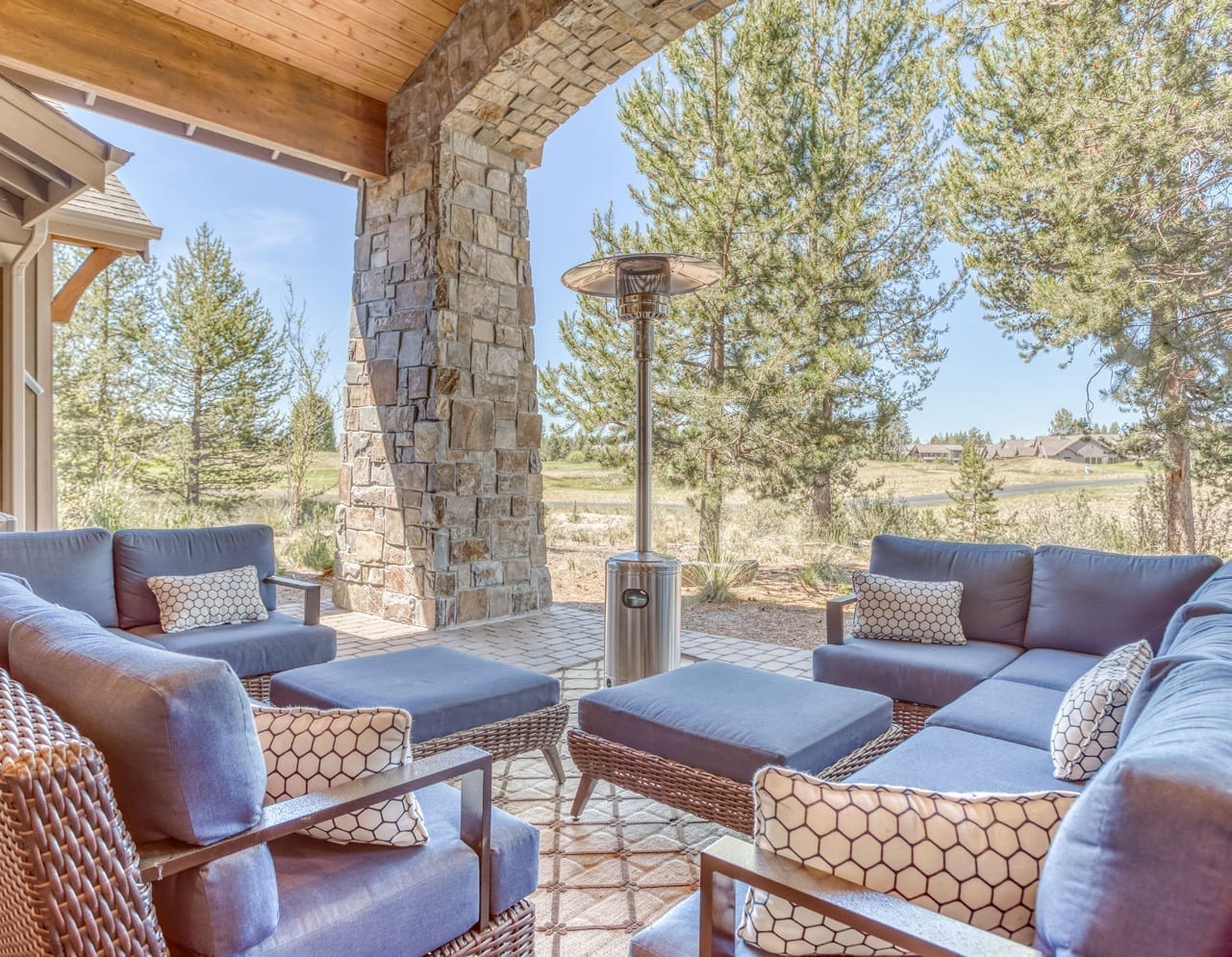

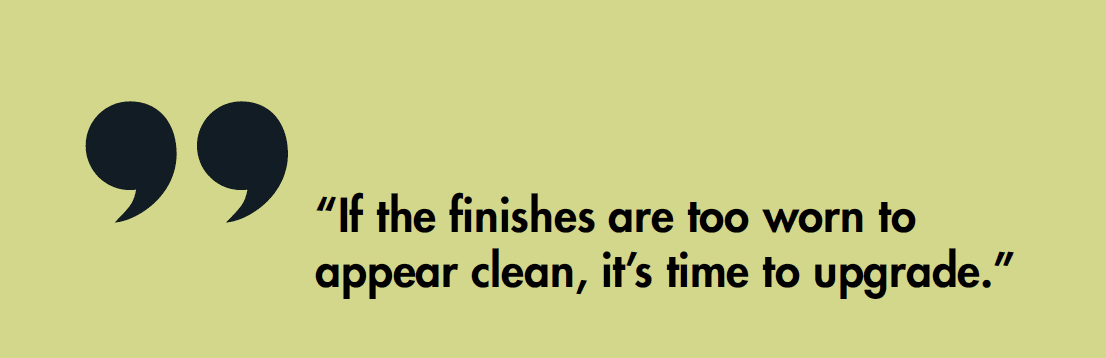
 Renters won’t give outdated spaces a second look, so if a property seems sad and worn, it’s definitely time to upgrade, say the pros. The good news is that upgrading needn’t eat up all the rental profits.
 Should you invest in high-end furniture? Barnett says no. “You may not be able to recoup the investment of an expensive sofa, for example,” she explains. “A stylish, mid-range sofa in a performance fabric will do. Inexpensive sofas may look cute at first but won’t be inviting to sit on and will wear out quickly. And because renters like quirky touches, don’t hesitate to mix new and vintage pieces.
 All designers and stagers warn not to skimp on art and accessories.





 I felt comfortable, too. Frankly, more than a little disappointed that I wasn’t actually calling to book a vacation at one of Resort Collection’s 900 accommodations located in the 13 different properties it manages along the Florida Panhandle.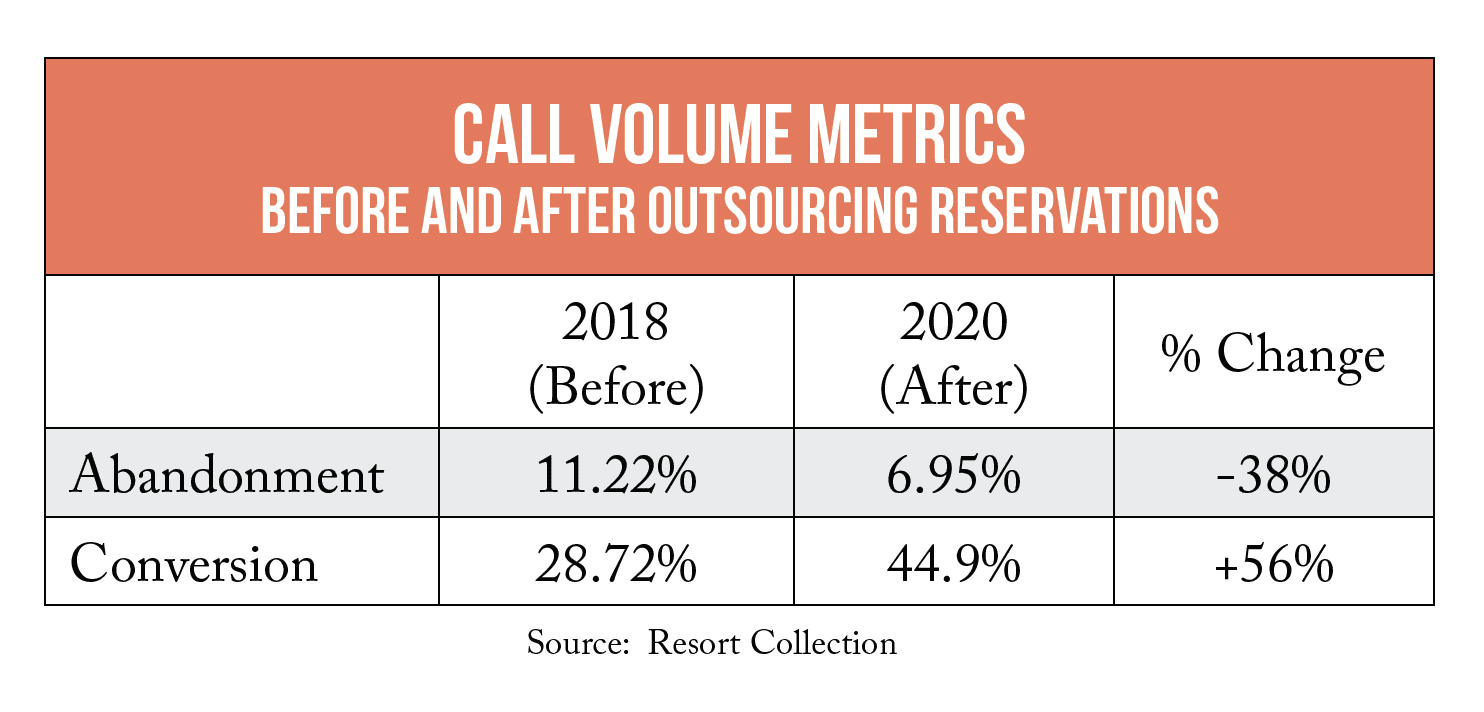
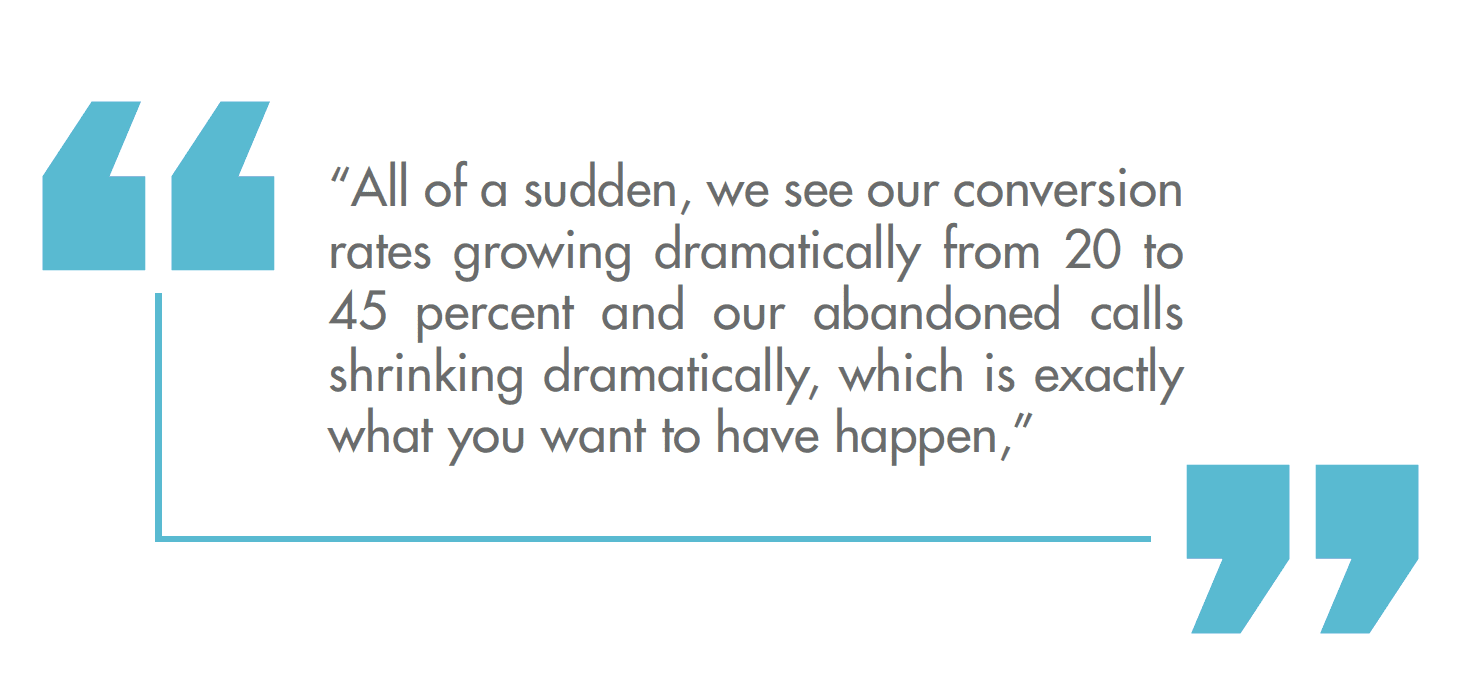 Laltoo, who helps staff about 65 hotel and resort properties throughout the US, says the vacation rental industry can learn a lot from Resort Collection’s experience and the call center craze in the Caribbean.
 H
H






 Everything you do—every campaign, channel, web page, promotion, and social post—should have a defined goal, performance tracking plan, and evaluation. This will allow you to quickly identify which efforts are working and which ones need improvement or reworking. Top measurement tools include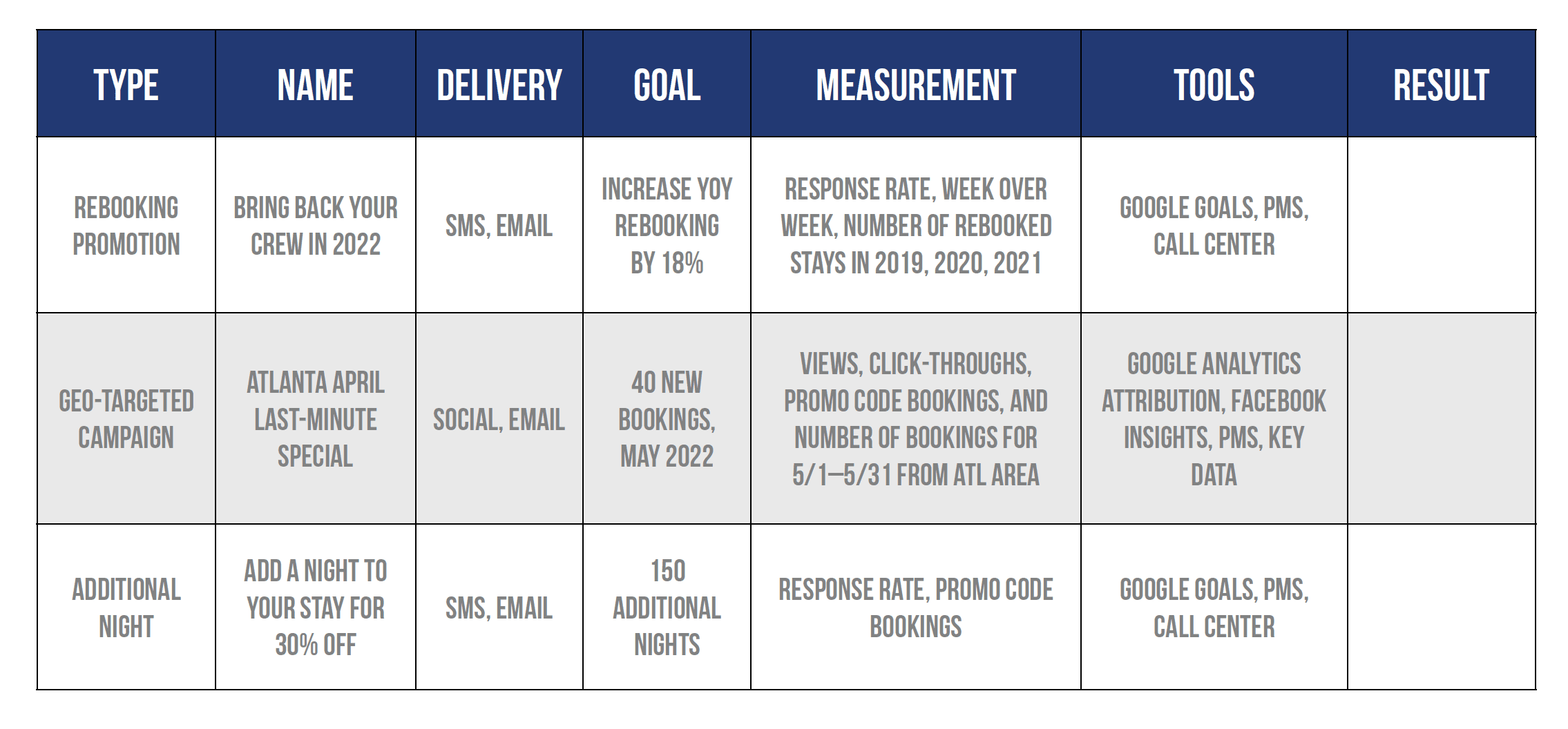

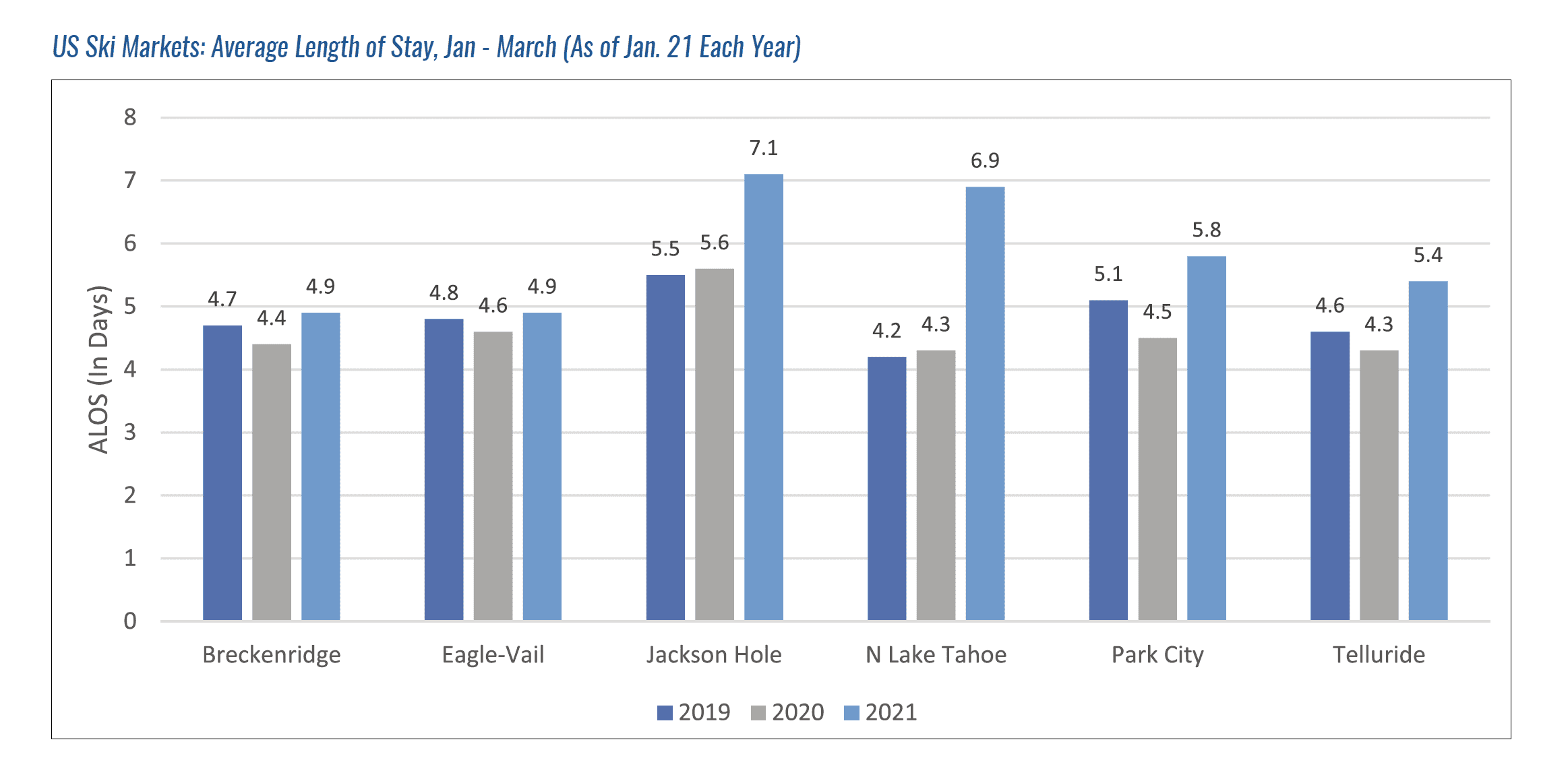
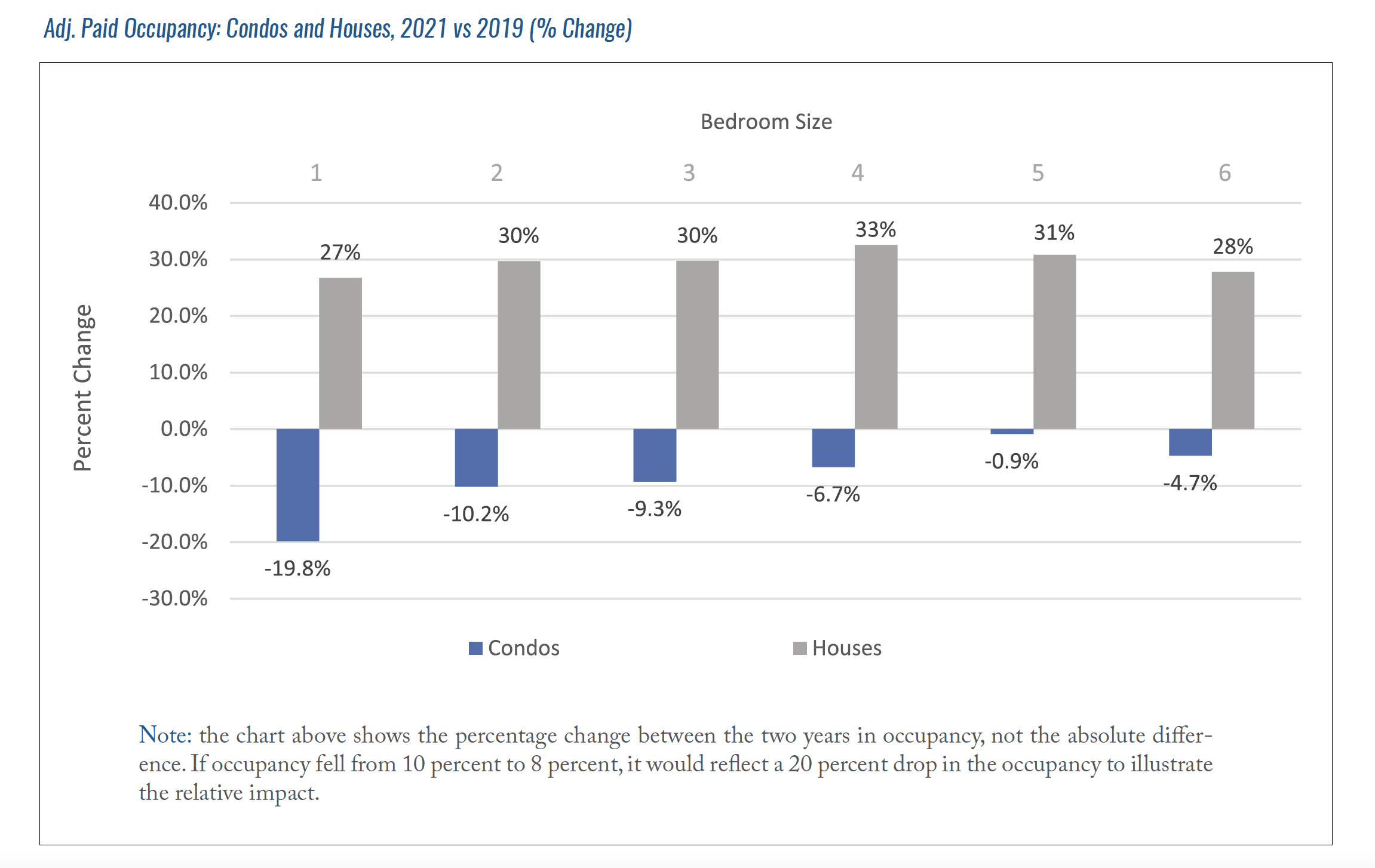
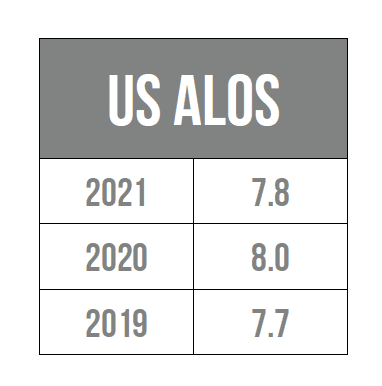 There is much talk about how ALOS is increasing significantly. But is it for our professionally managed vacation rentals? It would seem to make sense with COVID-19. People working from anywhere can stay longer. Many kids are doing school online. Here’s what the data shows.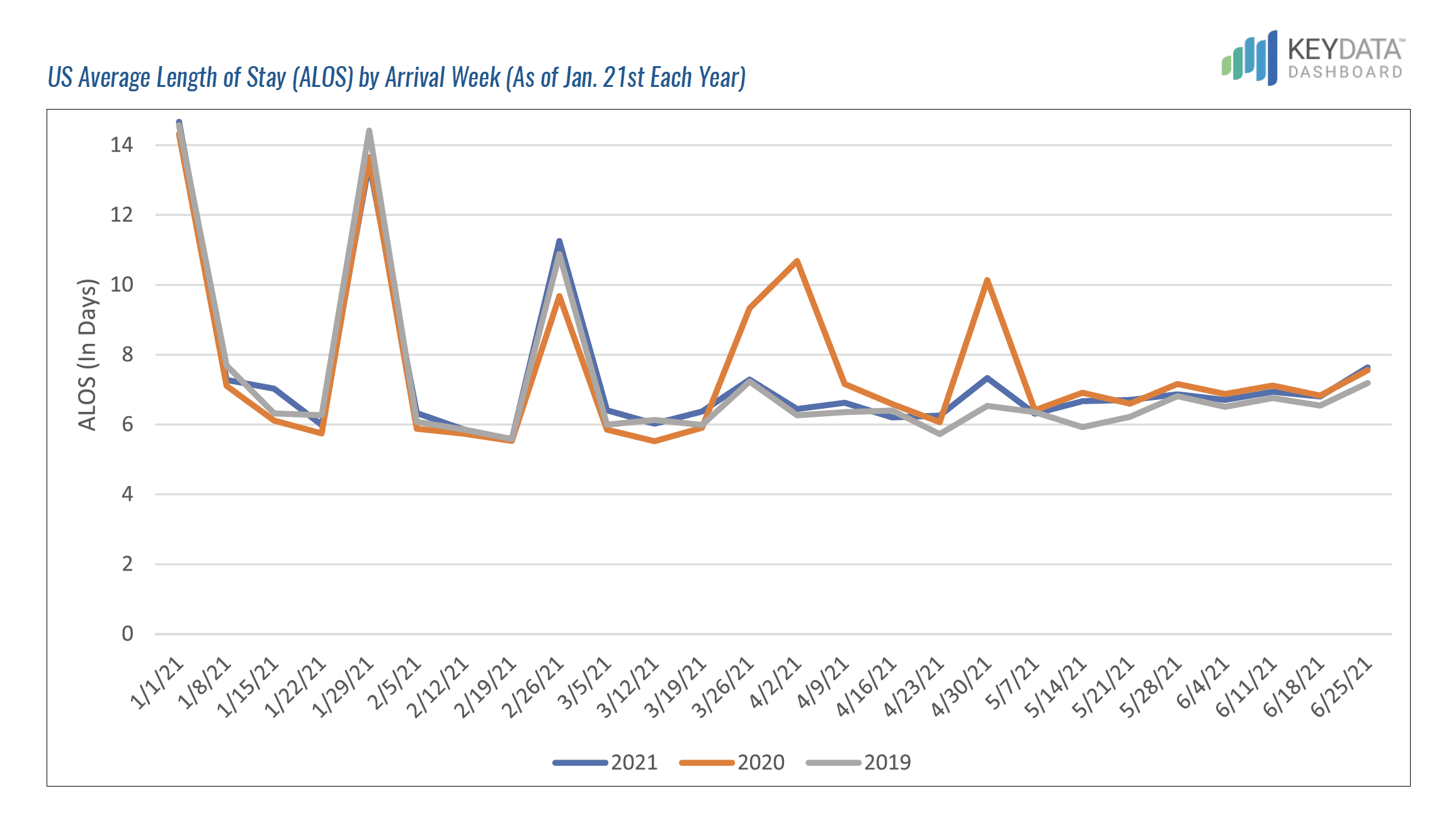
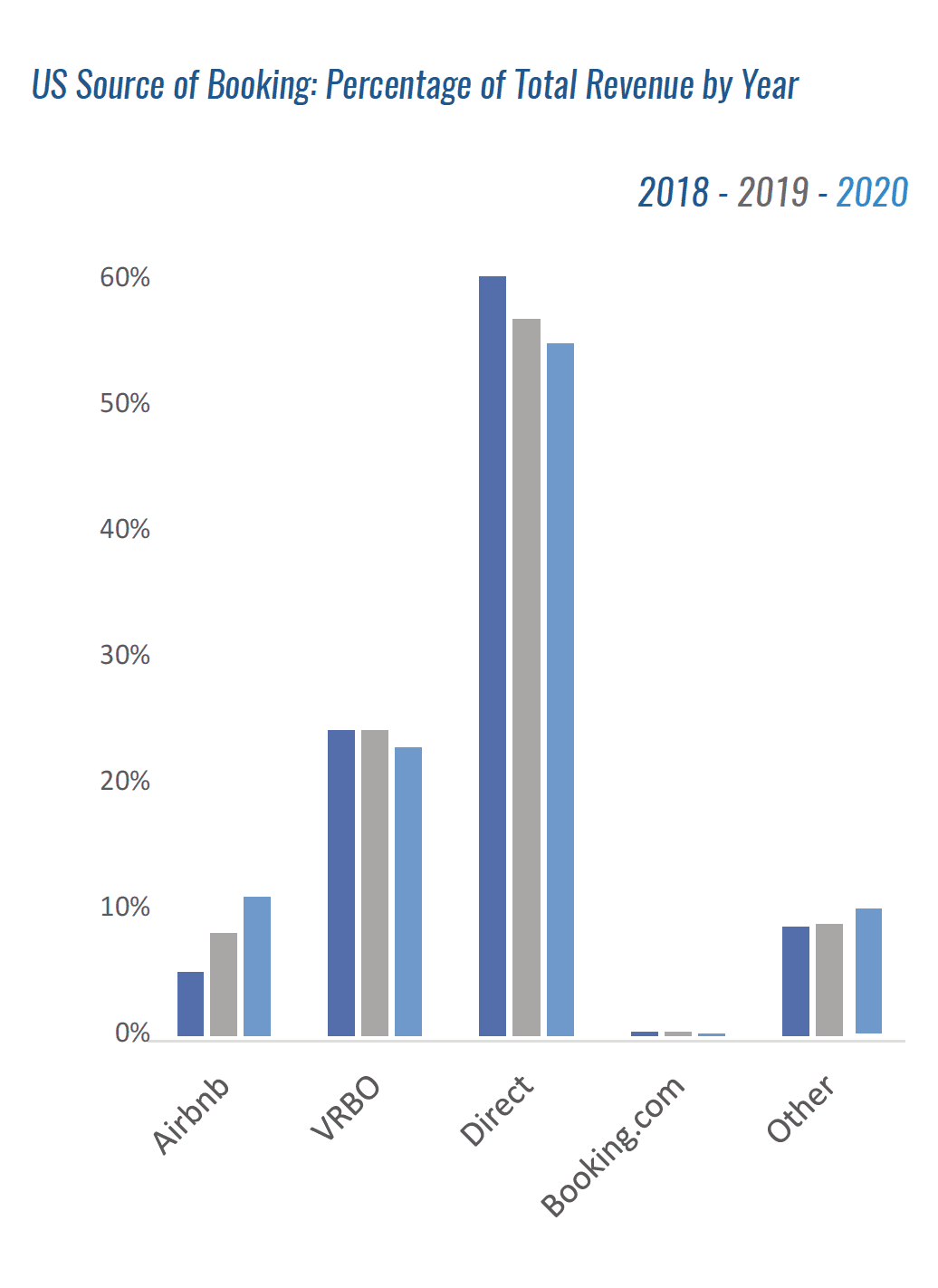 There is much speculation on how the OTAs are affecting each other and how professionals are keeping up with their push for direct bookings. Below we look for the first time at this data from the perspective of professional property managers on Key Data, which reflects significantly more of the leisure markets than the urban.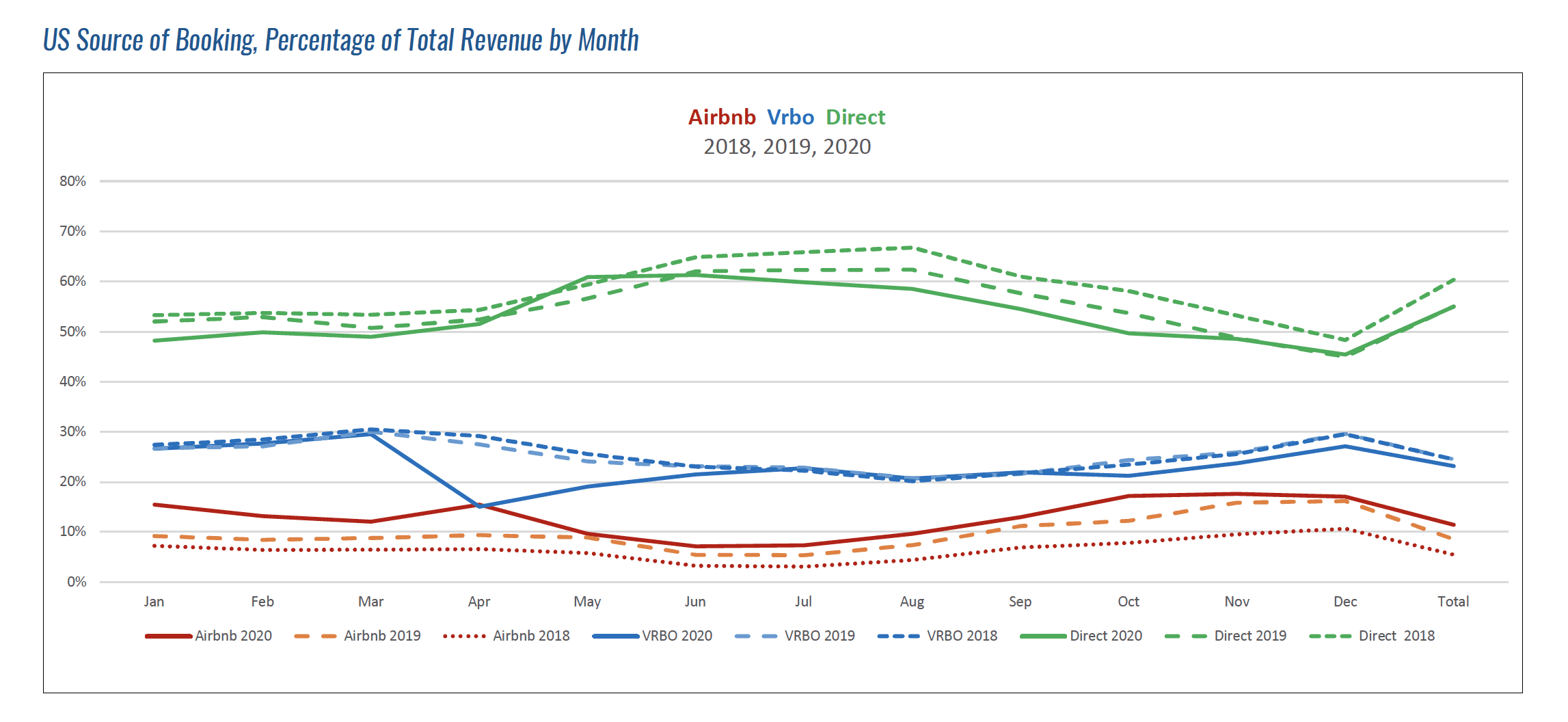



 Travis Riner (Riner):