
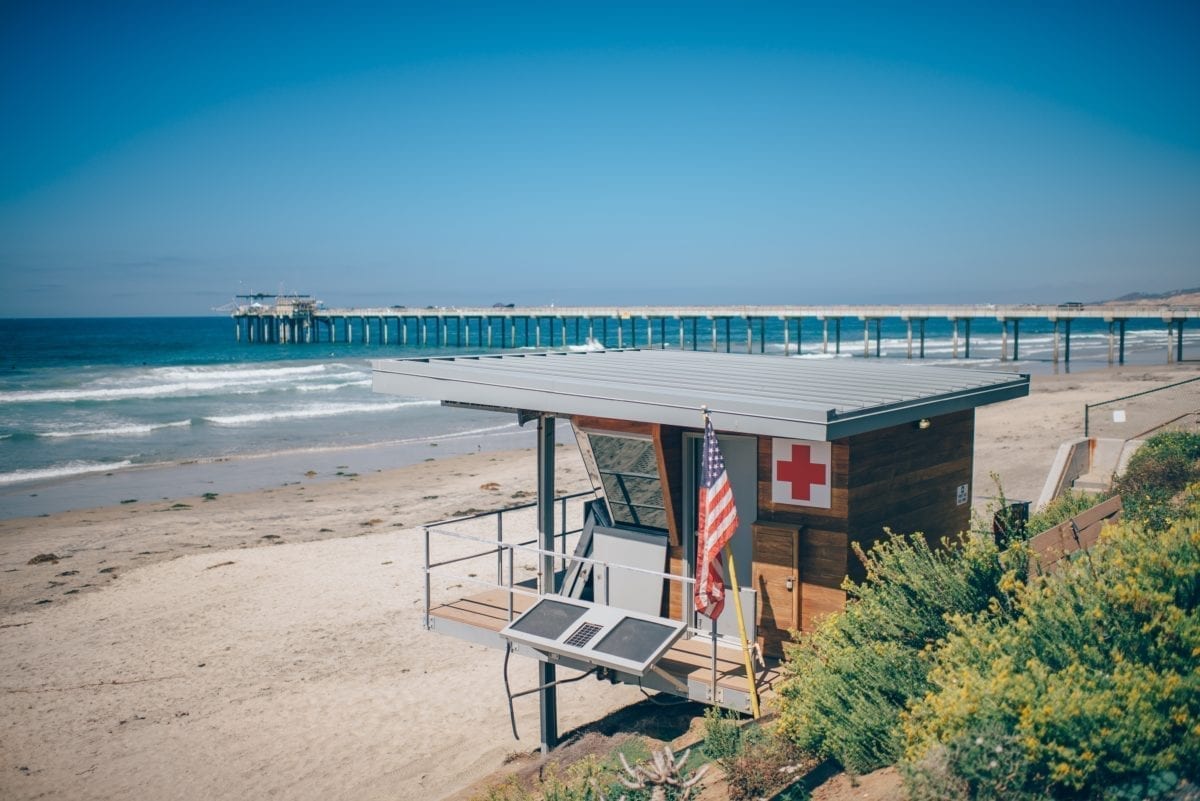

The Atlantic Ocean claims several lives on the North Carolina coast where I live every year. Just last week, six visitors were swept out in a single rip current less than a quarter of a mile from where I am writing this article. One of them did not survive. Three other men died in separate back-to-back swimming fatalities a few weeks prior. In April, a four-year-old boy was swept away by a rogue wave. For these families, what was supposed to be a wonderful getaway turned into an unimaginably devastating loss.
Every season in every region brings with it tragic stories of guests getting seriously injured or dying while on vacation, and our hearts collectively break whether or not the guests or their families were our own. Each occurrence raises the questions “What if…?” and “How could this have been prevented?” Of course, what happens on beaches or mountain trails or other locations outside of vacation rental homes are out of property managers’ control, and fatal accidents can occur to even the most experienced swimmers, hikers, etc. Still, vacation rental management companies have a powerful voice that can play a critical role in guest safety in their larger communities.
The challenge in using this voice is balancing education with maintaining a positive image of the destination. How do property managers on the NC coast stress rip current awareness without discouraging guests to experience the otherwise quiet, family-friendly beaches? How do Hawaii VRMs promote island vacations while also educating guests on the widespread effects of the ongoing volcanic eruption? How do Phoenix-area companies convey both the awesome beauty and the cliffside perils of the Apache Trail?
There is no one right way to answer these questions. Safety concerns and their solutions vary by market and company, but every property manager can learn something new from another. Here are just a few examples of what some companies and destinations are doing:
- In-home materials, such as refrigerator magnets, guidebook inserts, and handouts in check-in packets
- In-office materials, such as signs or looping videos
- Blog posts on general precautions, wildlife safety, or inclement weather procedures
- Interactive learning sessions with local rescue squads or other professional groups
- Real-time push alerts or robocalls for flash floods, dangerous surf, or other hazardous conditions
Even with tools like these, there are always opportunities to grow and improve. So, I pose this question to all VRMs for open discussion:
How do you educate your guests about staying safe in the local area without scaring them away from your destination?
Share your practices, challenges, and questions in the comments for a collaborative conversation. We’ve posted this question on social media, too, and will update this article with comments submitted there.
From Ian Patterson, president and CEO at Great Western Lodging and Retreatia, on LinkedIn:
“The key is to Protect their assets e.g. life and limb. As a former meteorologist when I was living and working in the Destin area, I educated my guest services staff and gave them tools on weather days to watch for lightning within 5nm. At this point we should shut down all outdoor activities. We would then put the lightning detection center website up so they could see the danger. Obviously this is just one example but there are many that can be had. Educate, educate, educate.”

