
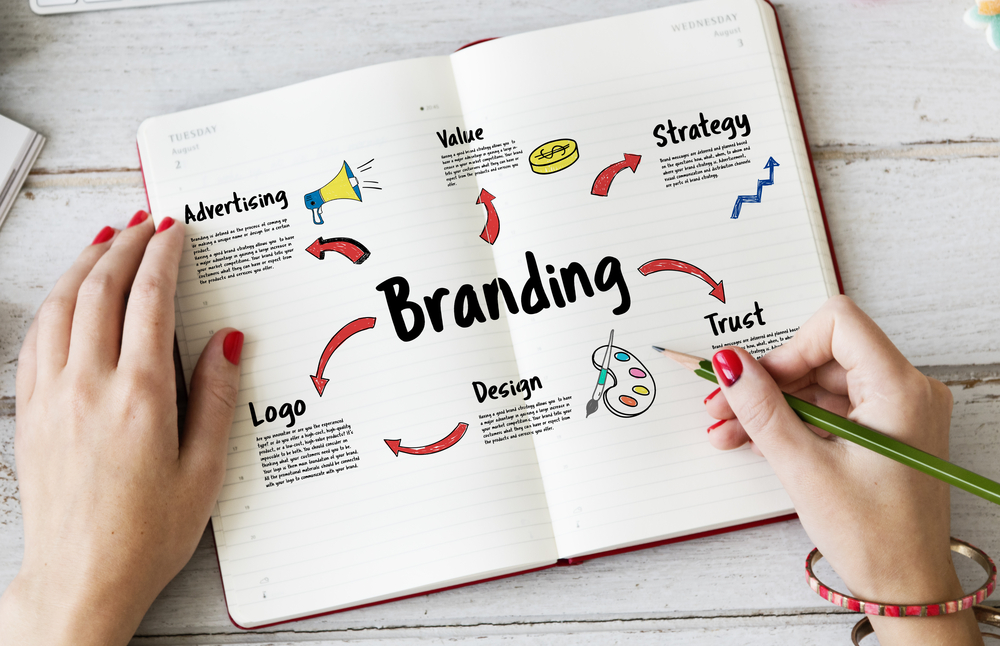

Your brand is an energy. It’s an experience. It’s the emotional connection people feel when they interact with you or your business. And if you’re starting with logos and colors before you define what your brand actually stands for, you’re putting the cart before the horse.
Why This Matters
Every year, businesses shell out a whopping $28.6 billion on market research. Yet, too many companies still kick off their branding efforts by asking, “What colors should we use?” or “Which font looks best?”
That’s like illustrating a storybook before you’ve even written the story.
Brand Strategy First, Always
Here’s what I’ve learned from working with businesses of all sizes and speaking to CEO groups across the country: A strong brand attracts the right people and the right opportunities. Period.
But here’s the thing, your brand is not about looking “nice.” It’s about being magnetic. It should make people instantly say, “Hell yes, this is for me!” or “Hello no, not my vibe.” Because if you’re trying to appeal to everyone, you’ll end up resonating with no one.
Know Your People (Like, Really Know Them)
Let me give you an example. I’m Gen X, and so are a lot of the CEOs I work with. We’re the MTV generation. We don’t trust easily (we watched Enron collapse and fancy watches at retirement go away). We were the first generation to navigate widespread divorce, the spread of AIDS/HIV, the dawning of terrorism impacting the USA, and so much more. These experiences shape how we, as a collective, approach business and where we spend our money.
So when I quote Sir Mix-a-Lot on LinkedIn, it’s not random. It’s strategic. It’s an emotional connection. And the data backs it up: Brands that create emotional connections see a 71% increase in customer referrals.
How to Build a Brand Strategy (Before You Touch Design)
Before you even think about picking out colors and fonts, focus on this:
- Define who you are (and who you’re not).
- Understand your audience’s psychographics (not just their demographics).
- Develop your brand story.
- Establish your voice and tone.
Here’s a pro tip: Call up your best customers and ask them why they chose you. What made them say yes? Why do they stay? Their answers will tell you more about your brand than any design consultation ever could.
When Design Finally Comes In
Once you’ve nailed your brand foundation, then (and only then) should you move on to visuals. And at that point, the choices become obvious:
Targeting a modern, digital-first audience? Skip the serif fonts.
Marketing to a luxury clientele? Those serif fonts might be exactly what you need.
Catering to a younger, high-energy crowd? Your color palette better match that vibe.
The Bottom Line
I’m not saying logos and colors don’t matter. They do. But they’re the outfit your brand wears, not its identity. And just like in life, if you don’t know who you are, no amount of fancy clothes will fix that.
So, here’s your gut-check question: Can you explain your brand–its essence, its promise, its vibe—without showing a single visual?
If not, it’s time to go back and do the real work. Because sure, great brands look good. More importantly, though, great brands make people feel something. And that’s what creates long-term loyalty and business success.

